About Pinnacle Fence & Outdoors, LLC in Lowell, Arkansas

About Pinnacle Fencing & Outdoors, LLC

Pinnacle Fencing & Outdoors, LLC was started in Lowell, Arkansas. We've been proudly serving our community since 2013, bringing over 30 years of combined experience to every project we tackle. With a fantastic team of over 15 professionals, we're here to make your fencing dreams a reality. We've been trusted with completing over 800 fencing projects across Northwest Arkansas, the Fort Smith, Arkansas area, and Southwest Missouri! So, whether you're in Lowell or beyond, count on us to be your go-to for all things fencing. We're not just building fences; we're building relationships, one satisfied customer at a time.

Why Choose Pinnacle Fence & Outdoors?

30+

Years of experience

>800

Successful projects

15+

Trained professionals

Pinnacle Fence Blogs

By Erin Poe August 5, 2026
Imagine waking up after a typical Ozark thunderstorm to find your new privacy fence leaning at a forty-five degree angle. It's a frustrating reality for many homeowners who hire contractors without a deep understanding of Northwest Arkansas soil and wind patterns. Finding the top fence installers in NWA requires looking beyond the lowest estimate. You need a partner who treats your perimeter as a long-term investment in security and curb appeal. We know you want a beautiful property without the stress of unreliable crews or confusing permit requirements in cities like Rogers and Bentonville. You deserve a fence that stands straight and lasts for decades despite the local humidity. Reliability is everything. This guide will show you how to identify the most trustworthy fencing professionals in the region and explain why local expertise is the key to a durable installation. We'll examine the specific municipal codes you need to follow, the best materials for our climate, and the project management standards that ensure a stress-free experience from start to finish. Key Takeaways Verify a contractor's local longevity and insurance to ensure your investment is protected by a professional who understands Arkansas requirements. Choose materials like cedar or vinyl that are specifically rated to withstand the intense humidity and unpredictable storms of the Northwest Arkansas climate. Partner with the top fence installers in NWA to integrate modern security features like smartphone-controlled gate automation and advanced access control. Navigate the varying permit fees and height restrictions across Bentonville, Fayetteville, and Springdale to ensure your project stays on schedule and within code. Prioritize master craftsmanship by looking for installers who refuse to cut corners on critical details like post depth and heavy-duty hardware. Table of Contents Evaluating Northwest Arkansas Fencing Contractors: Beyond the Basics Material Selection for NWA Climates: Wood, Vinyl, and Iron Advanced Security: Gate Automation and Access Control in NWA Navigating Local Permits and Property Regulations in NWA Why Pinnacle Fence and Outdoors, LLC is a Top Choice in Northwest Arkansas Evaluating Northwest Arkansas Fencing Contractors: Beyond the Basics A low initial quote is often the most expensive mistake a homeowner can make. In the rapidly growing NWA market, new companies appear overnight, but few have the local longevity required to stand behind their work. Choosing from the top fence installers in NWA means prioritizing a contractor who understands our unique Ozark terrain and weather patterns. A fence that looks great in July must also withstand the ice storms of January. Professionalism starts with a local presence. Ensure your contractor maintains a physical office in cities like Lowell or Springdale rather than operating solely out of a truck. This physical root in the community ensures they won't disappear if you have a warranty issue three years down the road. Verification is your best tool for peace of mind. Ask for proof of Arkansas-specific workers' compensation and general liability insurance. Without these, you are personally liable for any injuries that occur on your property. There are many different types of fences designed for various functions, but every installation requires the same high standard of safety and legal protection. A true master craftsman doesn't just "put up a fence." They understand structural integrity, proper post depth, and the specific hardware grades needed to prevent sagging. Distinguish between laborers who follow a set of instructions and craftsmen who apply decades of technical knowledge to every project. Credentials and Local Reliability Check for active Arkansas contractor licensing and ask for references specifically from Bentonville or Fayetteville. With NWA's current population boom, "solar cowboys" or temporary crews often move into the area to capitalize on growth before moving to the next state. Avoid these transient operations. Look for a team with deep regional roots, such as a company with over 30 years of combined industry experience and a track record of over 800 completed projects. This level of experience is vital when dealing with the rocky soil and uneven elevations common in our region. The Value of a Comprehensive Estimate Be wary of any contractor who provides a quote over the phone without visiting your property. NWA terrain is rarely flat; an accurate estimate requires a physical walkthrough to identify potential obstacles. A professional proposal should be detailed and transparent. It must include specific details that protect your investment. The top fence installers in NWA will provide this level of detail upfront to eliminate hidden costs. Confirmation of underground utility marking via the 811 system. Specifics on post depth and spacing to ensure wind resistance. Clear terms regarding debris removal and site cleanup. The exact grade of hardware and fasteners being used. A detailed estimate reflects the contractor's organizational skills and commitment to quality. If the proposal is vague, the installation likely will be too. Demand a clear timeline and a written warranty that covers both materials and craftsmanship. This structure ensures you receive a secure, aesthetically pleasing perimeter that adds genuine value to your home. Material Selection for NWA Climates: Wood, Vinyl, and Iron Northwest Arkansas presents a unique challenge for any perimeter structure. High humidity levels in the summer and heavy ice loads in the winter test the structural integrity of every installation. The top fence installers in NWA understand that material choice isn't just about aesthetics. It's about engineering for the Ozarks. While aluminum is a popular lightweight option, ornamental iron provides superior security and aesthetic longevity for those seeking a premium look that won't buckle under pressure or heavy winds. Choosing the right material ensures your property remains secure while enhancing its overall value. Wood Fencing in the Ozarks Western Red Cedar remains the gold standard for privacy fences in Fayetteville and Bentonville. Unlike treated pine, cedar contains natural oils that resist rot and insect damage. This resistance is vital in our humid climate. However, even the best wood requires consistent protection. Professional staining prevents the wood from graying and cracking as the seasons change. To combat the rocky soil found throughout the region, consider the PostMaster+ system. These steel posts are hidden by the wood pickets but offer incredible strength. They won't rot like traditional timber posts, which is a common failure point for fences in the Ozarks. Durable Alternatives: Vinyl and Chain-Link For busy NWA families, vinyl fencing offers a high-performance, low-maintenance solution. It doesn't require painting or staining and cleans easily with a garden hose. UV resistance is a critical factor for the Arkansas sun. High-quality vinyl won't fade or warp even during our hottest August afternoons. If you have a larger lot or need to secure a commercial site, black vinyl-coated chain-link is a practical choice. It provides a secure boundary without obstructing your view of the landscape. The top fence installers in NWA also provide commercial-grade temporary fencing for those managing active construction projects or local events. If you're ready to explore these options for your property, you can view our full range of fencing solutions to find the best fit for your needs. Advanced Security: Gate Automation and Access Control in NWA A high-quality fence provides a boundary, but a gate provides control. Gate automation has become the fastest-growing trend in property security across Northwest Arkansas. Modern homeowners and business owners are moving beyond manual latches. They want the convenience and security of access control systems that integrate with their daily lives. The top fence installers in NWA now act as technology consultants as much as builders. They help clients navigate the complexities of keypads, card readers, and smartphone integration. This technology ensures that your perimeter remains closed to unauthorized visitors while remaining effortless for you to enter. The transition to automated entry is about more than just luxury. It's a functional upgrade that addresses the specific security needs of 2026. Whether you're securing a private estate or a commercial distribution center, the right system provides a clear record of who enters and exits your property. This data is invaluable for both personal peace of mind and professional liability management. Smart Access for Modern Homes Automated gates significantly increase property value in growing areas like Rogers and Cave Springs. They offer a level of prestige and security that manual gates cannot match. When choosing a system, the top fence installers in NWA will evaluate your driveway's layout to recommend either a slide gate or a swing gate. Slide gates are ideal for steep inclines or limited space; swing gates offer a classic, elegant entrance. Safety is paramount. Every modern system should include photo-eyes and sensing edges. These features detect obstructions like vehicles or pets to prevent accidental contact. For rural properties and local farms, solar-powered operators provide a reliable solution where running electrical lines is impractical. Commercial and Industrial Security Managing a high-traffic facility requires a more robust approach than a standard residential driveway. High-traffic commercial systems are engineered for hundreds of cycles per day. They often utilize card reader systems or proximity sensors to manage employee access efficiently. This level of control is essential for logistics hubs and industrial parks throughout the region. For active construction sites, temporary fencing with automated gate solutions keeps equipment secure while allowing authorized crews to move freely. Professional maintenance is the final piece of the puzzle. An automated gate is a complex machine. Regular inspections ensure that the motors, sensors, and hinges continue to function smoothly in our variable climate. 
By Erin Poe July 27, 2026
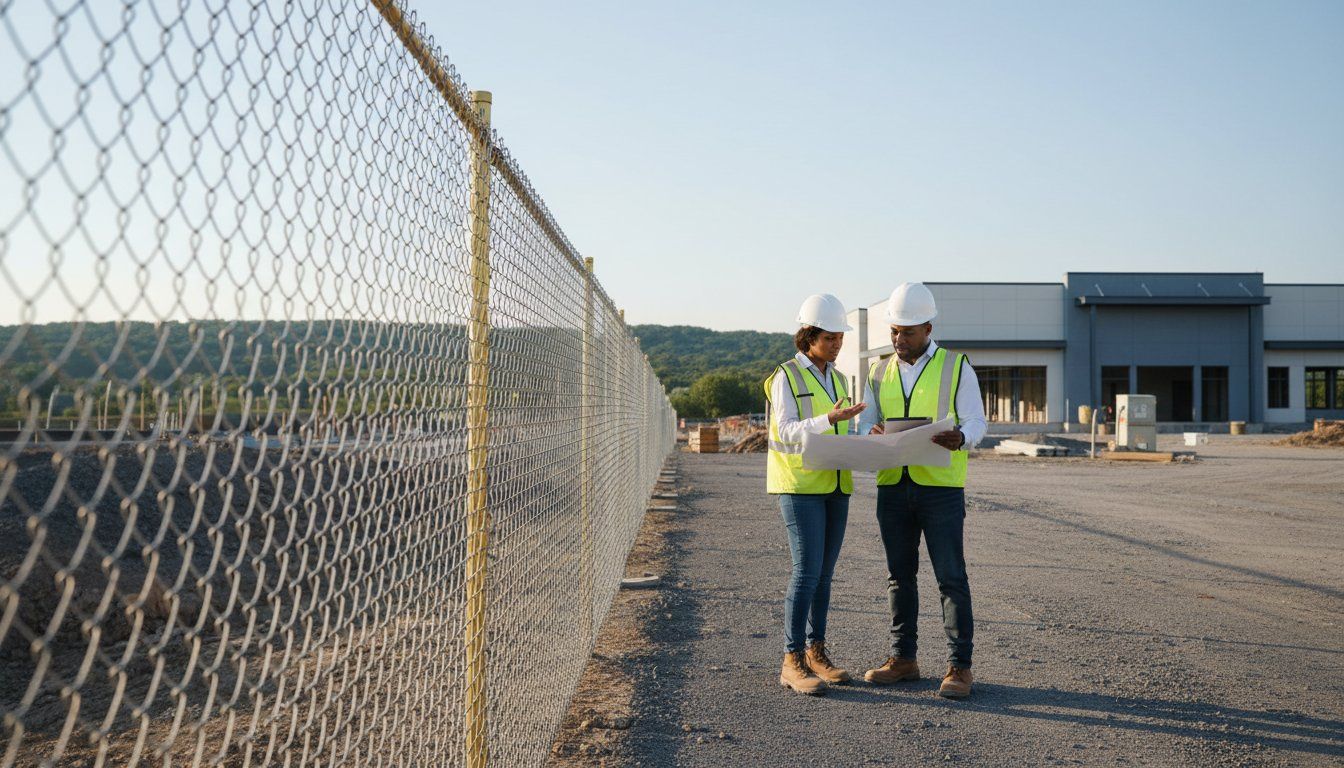
Did you know that OSHA issued 7,895 citations for fall protection violations in a single fiscal year? For contractors in Northwest Arkansas, a single oversight in your perimeter can lead to costly project shutdowns or heavy fines. You already know that a secure site is essential for safety, but balancing federal mandates with local zoning rules often feels like a full-time job. It's difficult to ensure your OSHA compliant construction fencing stays standing during high-wind events or meets specific city prohibitions on certain materials. We're here to help you master these complex regulations with confidence. This guide provides an actionable 2026 checklist designed specifically for the NWA landscape. We'll walk you through the essential requirements for fence height, emergency egress, and hazardous area barricades. You'll also learn how to reconcile OSHA standards with the unique ordinances found in cities like Fayetteville and Bentonville to ensure your next inspection is a success. This methodical approach protects your crew and gives you peace of mind that your site remains secure and compliant. Key Takeaways Understand why the General Duty Clause makes perimeter security mandatory even when federal codes lack a dedicated fencing section. Apply our 5-point inspection list to ensure your OSHA compliant construction fencing maintains the structural stability required to pass 2026 site audits. Learn to account for Northwest Arkansas wind gusts and local city ordinances that often exceed federal safety minimums. Spot the most frequent inspection failures, like unstable "leaning" panels, and implement immediate fixes to avoid heavy fines. Discover how professional temporary fencing rental services from a local NWA specialist provide a reliable, hands-off solution for site security. Table of Contents The Reality of OSHA Compliant Construction Fencing The 2026 OSHA Construction Fencing Checklist Local NWA Standards and Environmental Factors Top 5 Inspection Failures and How to Fix Them Secure Your Site with Pinnacle Fence and Outdoors, LLC The Reality of OSHA Compliant Construction Fencing Many contractors spend hours searching for a specific "fencing chapter" in federal regulations. You won't find one. OSHA 29 CFR 1926 lacks a standalone section dedicated solely to fences. Instead, inspectors rely on a patchwork of safety standards to evaluate your site. Understanding this "safety ecosystem" is the first step toward maintaining a site that passes inspection without a second thought. The most critical piece of the puzzle is the General Duty Clause, Section 5(a)(1). This mandate requires every employer to furnish a place of employment free from recognized hazards that cause or are likely to cause death or serious physical harm. In the eyes of an inspector, an unsecured perimeter in a high-traffic area is a recognized hazard. If your OSHA compliant construction fencing isn't sufficient to deter unauthorized entry, you are already at risk for a citation. Federal oversight focuses on how your perimeter interacts with other safety needs, specifically fall protection, egress, and hazard communication. Three specific subparts typically govern how your perimeter is judged today: Subpart M (Fall Protection): If a fence is used to prevent falls from heights of six feet or more, it must meet specific guardrail strength requirements. Subpart G (Signs, Signals, and Barricades): This covers the visibility and signaling required to warn the public of danger. Subpart P (Excavations): Fencing is often the primary method used to protect workers and the public from falling into open trenches or pits. Why "Good Enough" Isn’t a Legal Defense Improper fencing does more than just look messy. It creates recognized hazards that trigger heavy fines. You might think a simple plastic mesh is sufficient for a small project, but safety-critical barricades must withstand physical pressure and environmental stress. Protecting the public from site-specific dangers is a legal obligation that goes beyond simple theft prevention. Using high-quality temporary construction fencing ensures that you aren't just providing security, but also a robust safety barrier that meets professional standards. Reliability is your best defense against liability. The Role of 29 CFR 1926.34: Means of Egress A secure perimeter should never become a trap. Under OSHA Standard 1926.34, your site must have at least one clearly marked and unobstructed exit. Your OSHA compliant construction fencing layout cannot block emergency exit paths for your crew. Gates must be easy to operate and should generally swing in the direction of exit travel or remain completely unobstructed. Maintaining a clear path to these exits is essential for passing a 2026 inspection. You must also ensure that exit signage is clearly visible on the perimeter lines so workers know exactly where to go during an emergency. The 2026 OSHA Construction Fencing Checklist Maintaining OSHA compliant construction fencing requires more than just standing up panels and moving on. A compliant site is a dynamic environment that needs regular auditing to ensure small issues don't turn into major citations. Inspectors look for systemic failures in your perimeter, not just a single loose clamp. Use this 5-point checklist for an immediate site assessment to keep your project on track and your liability low. Structural Stability: Verify that all panels are perfectly upright and that stands are weighted to resist local wind gusts. Hardware Connectivity: Check every junction for locking couplers. A single missing clamp can compromise the entire line's integrity. Perimeter Continuity: Follow the "No-Gap" rule. Ensure there are no spaces between panels or at the ground level where a trespasser could easily slip through. Height Standards: Audit the line to ensure it meets the minimum 6-foot requirement for commercial sites or 4-foot for residential projects. Hazard Communication: Confirm that required safety signage is attached securely and is legible from the public right-of-way. For NWA contractors, securing a site correctly is easier with the right partner. You can view our temporary construction fencing options to find a setup that fits your project's specific safety needs. Structural Integrity and Stability Structural failure is a leading cause of site citations. Check for upright panels and vertical alignment across the entire line daily. Stands must be weighted correctly based on local Northwest Arkansas wind expectations. Ensure all panel clamps are present at every junction and tightened to prevent panels from separating under pressure. While these barriers serve as a perimeter, they must also align with OSHA 1926.502 Fall Protection Criteria if they are intended to protect workers from unprotected edges or hazardous drop-off zones. Height and Visibility Requirements Confirm your fence meets the minimum 6-foot height for standard commercial site perimeters to deter unauthorized entry effectively. In heavy traffic zones, audit for high-visibility tape or mesh to alert pedestrians and drivers. If you use windscreens or privacy slats, verify they do not create a "sail effect." High winds can easily topple panels that lack proper anchoring or airflow. Your OSHA compliant construction fencing must remain standing to provide the protection required by law. Access and Hazard Communication Every gate must function without binding or dragging on the ground. Check that required safety signage, such as "Hard Hat Area" or "Danger: Construction Site," is securely attached to the mesh or chain link. Finally, ensure your fencing layout doesn't obstruct fire hydrants or utility shut-offs. Emergency responders must have clear, immediate access to these points at all times. A secure site is only effective if it remains accessible to those who need to enter during a crisis. Local NWA Standards and Environmental Factors Federal guidelines provide the foundation for site safety, but Northwest Arkansas contractors know that local conditions often dictate the final execution. In Arkansas, there isn't a single statewide law governing construction perimeters. Instead, regulation falls to individual municipalities. This means a setup that passes in Fayetteville might face different scrutiny in Bentonville or Rogers. Large-scale projects in the region often require a specific site safety plan that details how your OSHA compliant construction fencing will handle pedestrian traffic and environmental stress. When selecting construction site fencing, you must account for more than just the height of the panels. You have to consider the physical reality of the Ozark landscape. From sudden wind gusts to the region's notoriously rocky soil, your perimeter faces daily challenges that a standard federal checklist might overlook. Failing to adapt to these local factors doesn't just risk a fine; it risks the physical stability of your entire site boundary. Ozark Wind and Terrain Considerations Standard fence stands often struggle on the uneven grades common to NWA jobsites. If your panels aren't level, they become structurally unsound and prone to collapsing under their own weight. This is especially dangerous in Northwest Arkansas, where high-wind events are common. Adding privacy screens or dust mesh increases the "sail effect," which can easily topple a line of unanchored panels. On many local sites, the soil is too rocky for standard stakes. In these cases, moving from weighted stands to driven-post temporary fencing is often the safest way to maintain a secure, upright perimeter that meets the General Duty Clause requirements mentioned earlier. City-Specific Perimeter Rules Municipalities like Fayetteville and Bentonville have strict ordinances regarding site aesthetics and public right-of-way. For example, some commercial zoning districts in NWA allow fences up to 8 feet high, exceeding the standard 6-foot OSHA minimum. However, other areas may prohibit specific materials like certain types of chain link in high-visibility corridors. If your project is in downtown Lowell or Springdale, you must ensure your fencing doesn't encroach on public sidewalks or create blind spots for motorists. Coordinating with local NWA code enforcement officers early in the process ensures your OSHA compliant construction fencing also meets city-specific aesthetic and access standards. This proactive approach prevents the need for costly mid-project adjustments. Top 5 Inspection Failures and How to Fix Them OSHA inspectors often focus on "low-hanging fruit" during a site walk-through. These are visible deficiencies that suggest a lack of daily oversight. If your OSHA compliant construction fencing shows signs of neglect, it invites a deeper dive into your entire safety program. Addressing these common failures proactively keeps your project moving and your team safe. Correcting these issues isn't just about avoiding a fine; it's about maintaining the professional standard your clients expect. The "Leaning Tower" is a frequent citation. This occurs when panels are no longer plumb due to wind stress or shifting soil. An unstable fence is a falling hazard that violates the General Duty Clause. Site supervisors should check vertical alignment daily. If a panel leans, re-level the base and ensure all couplers are tight. Another common issue is the "Trip Hazard" penalty. This happens when fence stands protrude into worker walkways or public sidewalks. You can fix this by repositioning stands to run parallel to the fence line or using high-visibility sandbags to alert pedestrians. Unstable Panels: Re-level stands and tighten junction clamps immediately to restore structural integrity. Protruding Stands: Clear walkways and mark stands with high-visibility covers to prevent falls. Missing Signage: Replace torn or lost "Danger" or "PPE Required" signs to maintain hazard communication. Damaged Mesh: Patch or replace panels with holes or sharp edges that could injure workers. Broken Gates: Ensure all entry points latch securely and swing freely without dragging on the ground. If you're dealing with recurring stability issues on a tough jobsite, our team provides reliable support. Contact us for professional temporary construction fencing solutions that stand up to Northwest Arkansas conditions. The "Gap" Trap: Unsealed Perimeter Openings A gap as small as 6 inches at the bottom of a fence can be cited as a hazard. These openings are often called attractive nuisances because they allow unauthorized persons or small children to slip onto the site. The uneven ground found across the Ozarks makes this a constant challenge for contractors. You can close these gaps by using bottom tension wires or installing panels that overlap the grade. Conduct a perimeter walk every morning to check for new gaps caused by shifting soil, erosion, or intentional vandalism. Blocking the Exit: Egress Violations Your perimeter should never trap your crew during a crisis. A common mistake is using chains and padlocks that require a key to exit from the "inside" of the site. Under OSHA Standard 1926.34, egress must remain unobstructed at all times. Ensure all gate hardware is operable from the interior without specialized tools or keys during work hours. Swing gates are generally preferred over sliding panels for emergency exits because they provide a faster, more intuitive path to safety. Always verify that your gates swing away from the hazard and toward your designated assembly area. Secure Your Site with Pinnacle Fence and Outdoors, LLC Pinnacle Fence and Outdoors, LLC brings over 30 years of local experience to every jobsite in Northwest Arkansas. We understand that contractors have enough to manage without worrying about perimeter citations. Our "Set and Forget" temporary fencing rental service is designed to handle the heavy lifting for you. We provide high-quality OSHA compliant construction fencing that meets the rigorous safety standards discussed throughout this guide. Our team handles the delivery, professional installation, and eventual removal. This allows you to focus on your project's timeline with total confidence. We prioritize the use of heavy-duty hardware and stable panel systems. This commitment ensures your site remains secure against trespassers while protecting the public from internal hazards. Our local roots mean we don't just deliver equipment. We provide a reliable safety barrier built on decades of regional knowledge and professional pride. Every installation is a reflection of our commitment to the safety of our NWA neighbors. Why NWA Contractors Trust Pinnacle Fence and Outdoors, LLC Northwest Arkansas presents unique challenges, from the rocky soil in Rogers to the steep grades in Lowell. We've spent three decades mastering the specific soil and wind conditions of the Ozarks. Standard equipment often fails here, but our professional-grade chain-link panels are built to withstand the region's unpredictable weather. We also offer a rapid response for site expansions or emergency repairs. If a storm impacts your perimeter, our team is ready to restore your OSHA compliant construction fencing to its proper standing. This local reliability is why the region's leading contractors choose us for their most demanding projects. Get Your Site Inspection-Ready Today Transitioning from an unsecured site to a professional perimeter is a straightforward process with the right partner. We apply the same level of precision to our temporary installations as we do to our permanent commercial projects. Our craftsmanship warranty applies to commercial installations, providing you with an extra layer of confidence in the durability and quality of our work. You can reach our headquarters in Lowell, AR, to discuss your project requirements. Contact us today to request a site estimate and ensure your project stays on the right side of safety regulations. Build a Safer Perimeter for Your Next Project Managing a complex jobsite requires constant attention to detail. You now have the essential tools to evaluate your perimeter against federal standards and local Northwest Arkansas requirements. By utilizing the 2026 checklist and correcting common inspection failures like unstable panels or egress blocks, you protect your crew and your project's bottom line. Maintaining OSHA compliant construction fencing is a continuous process. It rewards proactive supervisors with fewer citations and a significantly more secure environment for the public. Pinnacle Fence and Outdoors, LLC is ready to support your next project. With over 30 years of industry experience and proud local NWA ownership, we understand the specific environmental challenges of our region. We back our professional temporary installations with a one-year craftsmanship warranty to ensure your perimeter remains reliable throughout the project lifecycle. Our team is committed to providing the durable solutions you need to stay compliant and on schedule. Frequently Asked Questions Does OSHA require a fence around every construction site? OSHA does not explicitly require a fence for every single site, but the General Duty Clause often makes one mandatory. If your site contains excavations, fall hazards, or heavy machinery, you must use a physical barrier to control access. Many Northwest Arkansas municipalities also have their own local requirements that mandate fencing regardless of the specific OSHA trigger. This ensures the safety of both your crew and the local community. What is the minimum height for an OSHA compliant construction fence? The minimum height for an OSHA compliant construction fencing system is generally 6 feet for commercial and industrial sites. For residential construction, the minimum height requirement is 4 feet. Maintaining these heights ensures the barrier effectively deters unauthorized entry and protects the public from active work zones. It's also important to check local NWA zoning codes, as some areas may require up to 8 feet for specific projects. Can I use orange plastic snow fencing for OSHA compliance? Orange plastic snow fencing is usually insufficient for perimeter safety or fall protection. While it serves as a visual warning, it lacks the structural integrity to act as a physical barrier. OSHA requires perimeters to withstand specific environmental and physical loads, which usually necessitates professional-grade chain-link panels. Using flimsy materials can lead to citations if the barrier fails to prevent entry into hazardous areas. How far apart should temporary fence stands be placed? Temporary fence stands are typically placed every 10 to 12 feet to match the length of the panels. In Northwest Arkansas, you should consider closer spacing or additional bracing in high-wind areas. Ensuring the stands are weighted correctly with sandbags prevents the sail effect from toppling your perimeter during a storm. Stable placement is essential for meeting the structural requirements of a safe jobsite and maintaining a secure boundary. Does OSHA require specific signage on construction fences? OSHA Subpart G mandates that you use specific signage to warn of site hazards. This includes Danger signs for immediate threats and Caution signs for potential hazards. You must ensure these signs are securely attached to your OSHA compliant construction fencing and remain legible from a distance. Proper signage is a key component of hazard communication and helps keep unauthorized personnel away from dangerous equipment and active work zones. Are there specific gate requirements for construction site fencing? Gates must provide an unobstructed means of egress according to OSHA Standard 1926.34. They should be easy to operate from the inside without the use of keys or specialized tools during work hours. Additionally, gates must be wide enough to allow for emergency evacuation and should not bind or drag on the ground. Clear access ensures that your team can exit the site quickly if an emergency occurs during the workday. Who is responsible for fence maintenance: the owner or the contractor? The contractor or employer on-site is primarily responsible for maintaining the fence. OSHA holds the employer accountable for protecting their workers and the public from recognized hazards. Even if you rent the equipment, you must conduct daily inspections to ensure the perimeter remains upright and secure. Regular maintenance demonstrates a commitment to safety and helps you avoid costly citations during a surprise inspection by federal or local authorities. What happens if an OSHA inspector finds a gap in my construction fence? If an inspector finds a gap, they may issue a citation for failing to control a recognized hazard under the General Duty Clause. Gaps are often viewed as attractive nuisances that invite trespassers or children into dangerous areas. You should repair any opening larger than a few inches immediately to maintain compliance. Daily perimeter walks are the most effective way to spot and fix these issues before an inspector arrives on your site. 
By Erin Poe July 1, 2026
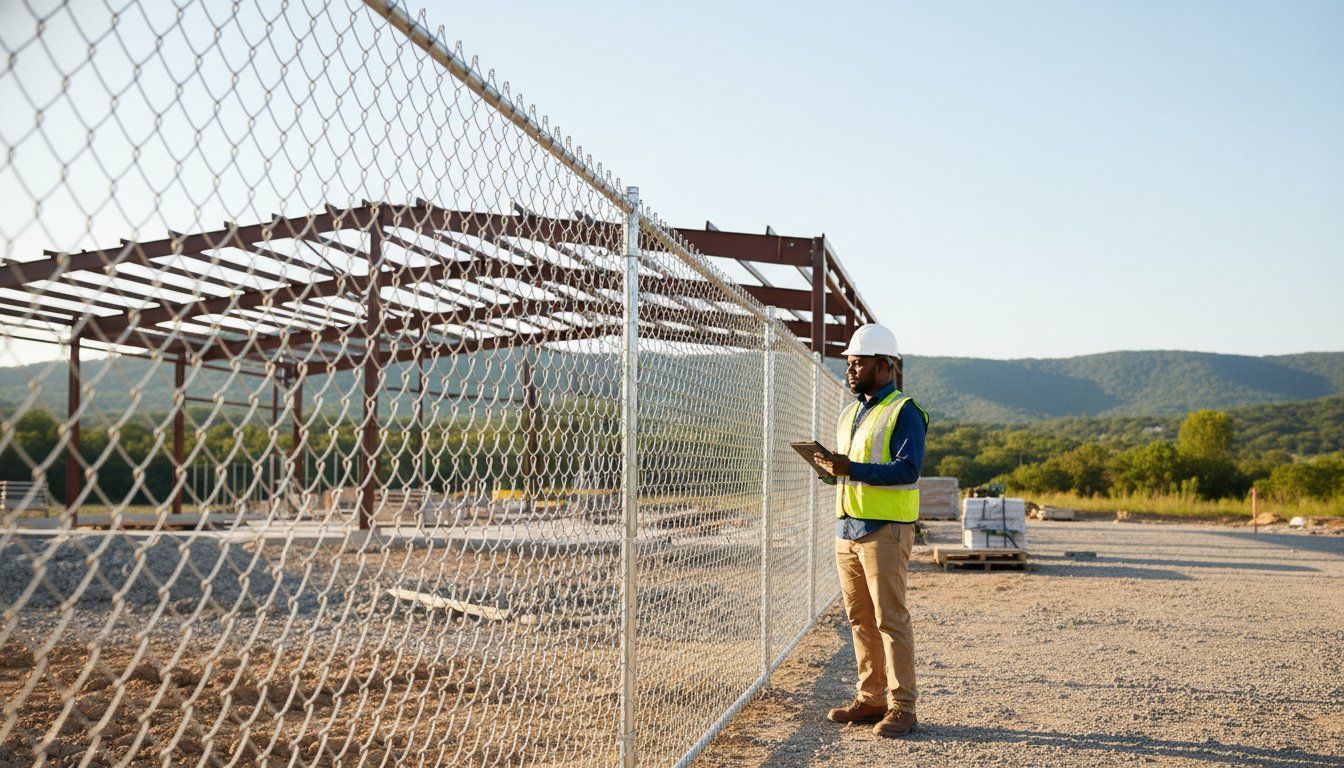
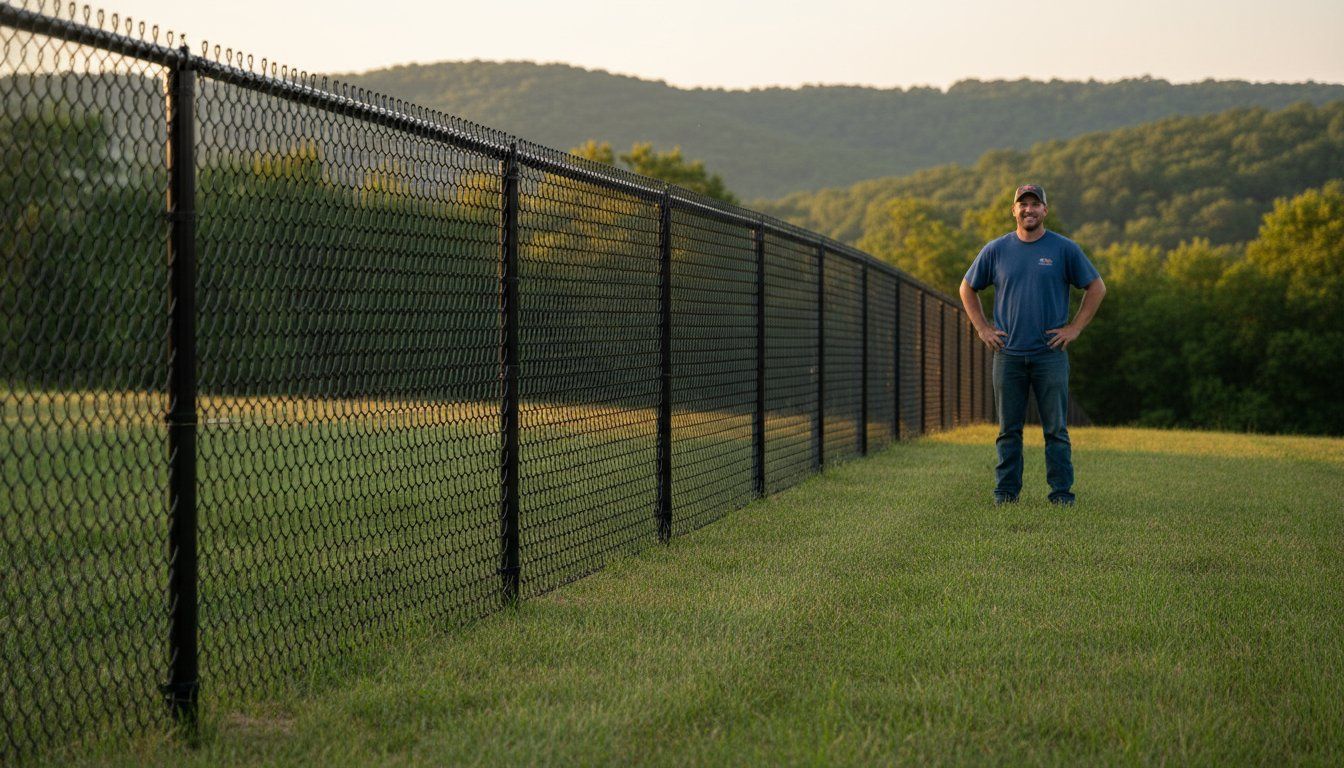
In Northwest Arkansas, a chain link fence is only as strong as its anchor in the Ozark rock. Whether you're securing a backyard in Fayetteville or a commercial lot in Bentonville, a professional chain link fence installation must account for our region's challenging terrain. You want a secure boundary for your pets and property, but the reality of rocky soil often makes DIY projects nearly impossible to complete correctly. It's common to feel concerned about a fence sagging or leaning over time, especially with the shifting elevations found across NWA. We also know that local permit requirements in cities like Rogers can be confusing for many homeowners. This guide provides the professional standards for a durable, secure, and cost-effective fencing solution tailored specifically for our local landscape and community needs. You'll gain a clear understanding of the different coating and privacy options that improve both durability and curb appeal. We also walk you through the professional installation process and timeline so you know exactly what to expect. Let's look at how to create a permanent boundary that offers lasting value and peace of mind for your property. Key Takeaways Learn why galvanized and LLDPE-coated steel remains the top choice for secure pet containment and commercial boundaries in Northwest Arkansas. Understand how wire gauge and framework components like top rails and terminal posts determine the overall strength and longevity of your structure. Discover the specialized techniques used during professional chain link fence installation to navigate the region's notorious rocky soil and heavy clay. Explore customization options including privacy slats and gate configurations that balance security with functional wind resistance. Evaluate the long-term benefits of professional craftsmanship, including local warranties and the avoidance of common DIY pitfalls in Ozark terrain. Table of Contents The Essentials of Chain Link Fence Installation in Northwest Arkansas Understanding the Components: More Than Just Metal Mesh The Professional Installation Process: Overcoming the Ozark Factor Customizing Your Fence: Privacy, Security, and Style Why Professional Installation Outperforms DIY in the Ozarks The Essentials of Chain Link Fence Installation in Northwest Arkansas A chain-link fence consists of a series of woven steel wires, typically galvanized or coated in LLDPE (Linear Low-Density Polyethylene). This construction provides a flexible yet incredibly strong barrier. For property owners in Northwest Arkansas, choosing this material often comes down to its proven track record. When you opt for professional chain link fence installation, you're securing a structure designed to last between 20 and 30 years. It remains the primary choice for local pet owners and business managers who need dependable security without a massive price tag. Preparation starts long before the first post is set. Identifying property lines is vital, as even a small encroachment can lead to expensive legal issues. We also look for existing easements that might restrict where a fence can stand. Safety is the highest priority. In our state, calling Arkansas 811 to mark underground utility lines is a mandatory step. Professional contractors manage these details to protect your property and ensure the installation remains compliant with local safety standards. Why NWA Homeowners Choose Chain Link Cost-effectiveness is a major driver for local residents. In the 2026 market, chain link remains significantly more affordable than wood or ornamental iron. It allows you to fence a large backyard without exhausting your budget. Beyond the price, many homeowners appreciate the visibility. It provides a clear view of the Ozark landscape, allowing you to monitor pets or children without feeling boxed in. The maintenance requirements are also very low. The steel components are treated to withstand Arkansas's high humidity and seasonal temperature swings, so you won't need to worry about staining or painting. Local Regulations and Permits Understanding city-specific rules is essential to avoid fines. In Fayetteville, you don't need a permit for fences seven feet tall or less, though the maximum height is generally eight feet. Bentonville is stricter; most new fences require a permit and a $30 fee. Front yard fences in Bentonville cannot exceed 48 inches in height. Rogers and Springdale have their own setback rules, particularly for corner lots where visibility is a safety concern. A professional site survey helps identify these constraints early. This ensures your chain link fence installation is positioned correctly from day one. Understanding the Components: More Than Just Metal Mesh Most property owners focus on the wire mesh when they think about a fence. However, a professional chain link fence installation relies on a complex system of engineered parts working together. The framework serves as the skeleton of the structure. This includes terminal posts, which are the thicker posts at corners and ends, and line posts that support the fabric at regular intervals. A top rail runs across the entire length to prevent the mesh from collapsing or bending under pressure. The hardware and fittings are what truly differentiate a professional build from a weekend project. Tension bars and bands are essential for maintaining a tight, secure surface. A common failure in DIY projects is the lack of proper tensioning. Without specialized tools to pull the mesh drum-tight, the fabric will eventually sag and pull away from the posts. Installers use heavy-duty rail caps and brace bands to lock every component into place, ensuring the entire system remains rigid against wind and physical impact. If you want to see how these components look on a finished project, you can view our recent local installations for inspiration. Choosing the Right Gauge and Mesh Size Wire thickness is measured by gauge. Lower numbers indicate a thicker, stronger wire. While 11-gauge wire is often sold at big-box retailers for temporary use, 9-gauge is the industry standard for durability in 2026. This thicker wire resists bending and provides a much higher level of security for residential and commercial properties. For specialized needs, small-mesh options are available. These "no-climb" designs use smaller openings that make it impossible for intruders to gain a foothold or for small pets to get stuck in the wire. Vinyl Coated vs. Galvanized Finishes The finish you choose affects both the look and the lifespan of your fence. Galvanized steel is the traditional choice; it's dipped in zinc to provide excellent rust resistance in the high-moisture valley areas of Northwest Arkansas. For a more modern aesthetic, vinyl-coated options are now the preferred choice for many homeowners. Black vinyl coating is particularly effective on wooded lots in the Ozarks. It tends to disappear into the shadows of trees and brush, providing security without creating a harsh visual barrier. This coating also adds a second layer of protection against the elements, extending the life of the steel beneath it. The Professional Installation Process: Overcoming the Ozark Factor Precision layout is the first step of any successful chain link fence installation. We begin by staking out terminal posts, which include corners, ends, and gate openings. A high-tension string line guides the placement of line posts between these points. This ensures the fence follows a perfectly straight path or a smooth curve according to your property lines. This phase requires a sharp eye, as even a small misalignment at the start becomes a glaring error once the fabric is stretched. Once the layout is confirmed, the physical labor begins. In Northwest Arkansas, this is where most DIY projects stall. Our region is famous for flint-heavy ground and dense limestone layers. Manual post-hole diggers or lightweight gas augers often bounce off these rocks, leaving holes too shallow for stability. Professional crews use heavy-duty equipment to ensure every post is anchored correctly. After the posts are set in concrete and cured, we assemble the framework. This involves installing top rails and tension wires that give the fence its structural integrity. Then comes the most critical phase: stretching the fabric and the final tie-in. Setting Posts in Rocky NWA Soil In cities like Fayetteville and Bella Vista, the ground is rarely cooperative. We use hydraulic rock drills and specialized equipment to penetrate the flint and limestone that sit just inches below the surface. Every post must be set at a sufficient depth to ensure stability through our wet winters and dry summers. Professional installers set posts in wet-mixed concrete to create a heavy, immovable anchor. This prevents the fence from leaning when the ground softens during the spring rains. It's the only way to ensure the perimeter stays upright in our unique terrain. The Science of Tensioning A loose fence is a failing fence. We use mechanical stretchers and "come-alongs" to pull the wire mesh until it's drum-tight. Hand-stretched DIY fences often look fine initially, but they usually sag within the first 18 months as the wire settles. A professionally tensioned chain link fence installation stays rigid for decades. We also prioritize the bottom tension wire. This addition prevents pets from pushing the bottom of the mesh outward. It's a small detail that provides massive peace of mind for dog owners across the Ozarks.
By Erin Poe June 24, 2026
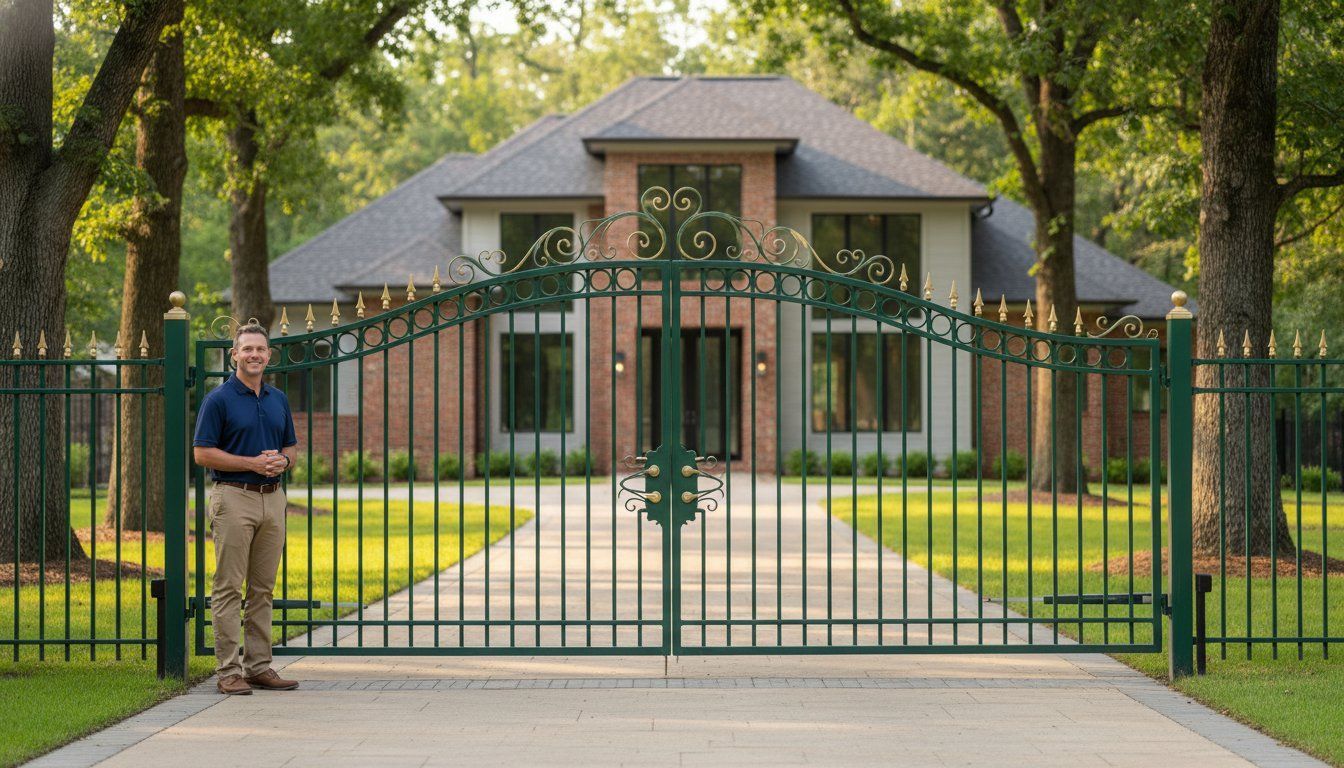
A sagging iron gate does more than ruin your home's curb appeal; it signals a failure in the security and structural integrity of your property. You likely chose an ornamental iron gate for its strength and elegance, but the shifting soil and heavy humidity in Northwest Arkansas can quickly lead to scraping driveways and stubborn rust. It's exhausting to deal with a gate that screeches or an automated system that refuses to budge when you arrive home. Many homeowners in Lowell find themselves wondering if a sagging frame or a patch of orange oxidation means the entire structure is failing. This guide simplifies the process of iron gate repair Lowell AR by showing you how to identify mechanical issues and prevent environmental damage before it requires a total replacement. We'll help you restore the quiet, smooth operation your property deserves while protecting your investment from the elements. You'll learn how to stabilize your gate's alignment, restore its finish, and maintain its automation components to ensure lasting performance in our unique local climate. By following these professional troubleshooting steps, you can maintain a functional and beautiful entrance that stands the test of time. Key Takeaways Understand the impact of local humidity and soil conditions on your gate's structural integrity and aesthetic appeal. Follow a 5-step troubleshooting guide for iron gate repair Lowell AR to pinpoint hardware failures and alignment issues. Distinguish between safe DIY maintenance and complex structural repairs that require specialized tools like arc welders. Learn the professional techniques for stripping rust to bare metal to ensure a durable and high-quality restoration. Leverage 30 years of local expertise and craftsmanship to secure your property with a reliable, long-lasting gate. Table of Contents Common Iron Gate Problems in Lowell and Northwest Arkansas How to Troubleshoot Your Iron Gate: A 5-Step Guide DIY Maintenance vs. Professional Iron Gate Repair Step-by-Step: Restoring a Rusted Iron Gate Professional Gate Restoration in Lowell: The Pinnacle Difference Common Iron Gate Problems in Lowell and Northwest Arkansas Maintaining an ornamental iron gate in Lowell is a dual-purpose task. You must protect the structural integrity of the metal while preserving the aesthetic value of your property. Neglecting minor issues often leads to expensive replacements. When homeowners seek out iron gate repair Lowell AR, they're usually facing one of two things: a gate that doesn't look right or a gate that doesn't work right. A functional gate provides peace of mind and security, but only if the hardware and finish remain in peak condition. The Role of Northwest Arkansas Weather The humidity in the Ozarks is a constant challenge for metalwork. Unlike drier regions, Northwest Arkansas experiences high moisture levels that accelerate oxidation. Traditional wrought iron is naturally susceptible to corrosion if the protective finish is compromised. Once rust takes hold, it can eat through the metal and weaken the entire frame. Our seasonal temperature swings also cause the metal to expand and contract. This movement can stress weld points over time. Heavy spring rains impact the clay-heavy soil common in Benton County. This soil holds moisture, which softens the ground around gate post footings. When the ground shifts, the posts lean. This soil instability is the primary reason gates in our area start to sag or scrape against the driveway. Effective iron gate repair Lowell AR requires addressing both the visible rust and these hidden foundation issues. Identifying Structural vs. Cosmetic Damage It's vital to know if you're dealing with a surface-level eyesore or a safety hazard. Visual cues provide the first hint. Light orange staining or bubbling paint usually indicates surface rust. This is often a cosmetic fix involving sanding and repainting. However, deep pitting or holes in the metal suggest the gate's strength is compromised. Check the weld points for small cracks, as these are signs of structural fatigue. You can also use a "sound test" to diagnose hardware issues. A high-pitched screech usually points to dry or rusted hinges that need lubrication. A low, rhythmic grinding sound often means the gate is misaligned and rubbing against its own frame or the ground. If your gate sags, check the post first. A firm post with a sagging panel usually means the hinges have worn down or bent. If the post itself moves when you push it, the issue lies in the footing rather than the gate itself. How to Troubleshoot Your Iron Gate: A 5-Step Guide Systematic troubleshooting is the foundation of any successful iron gate repair Lowell AR project. Identifying the exact source of a malfunction prevents you from wasting money on parts you don't need. It also ensures that the repair addresses the root cause rather than just a visible symptom. Use this five-step checklist to evaluate your gate’s health and determine if you can handle the fix yourself. Step 1: Conduct a Level Check. Place a spirit level against the gate posts and the horizontal panels to see if the structure is plumb. A slight tilt in the post can lead to significant dragging at the far end of the gate. Step 2: Inspect Hardware. Look for rust, wear, or loose bolts on hinges, latches, and drop rods. Hardware often fails before the gate frame does. Step 3: Test Balance. Disconnect any automation and move the gate manually. It should move with minimal resistance and shouldn't swing open or closed on its own. Step 4: Evaluate the Finish. Check for chips, bubbles, or scratches in the paint. These are entry points for moisture that lead to deep-seated corrosion. Step 5: Review Automation. Verify the power supply is active and ensure the safety sensors are aligned and clean. Diagnosing Sagging and Misalignment A gate that scrapes the ground or fails to latch usually suffers from post-lean or hinge wear. Start by checking the post. If the spirit level shows it's tilted, the soil has likely shifted due to the heavy clay content in our region. For a temporary fix to confirm the issue, you can use shims to prop the gate into its correct position. If the gate aligns perfectly when shimmed, your hinges or weld points are likely the culprit. Proper maintenance and repair of architectural iron requires a precise understanding of these mechanical stress points. If you notice cracked welds during this check, stop immediately. Structural welding requires specialized equipment and safety protocols. Troubleshooting Automated Gate Systems Automated systems in Northwest Arkansas face unique environmental challenges. If your sliding gate stutters, check the track for gravel or debris washed in by spring rains. For swing gates that won't open, test the manual release. If the gate moves easily by hand, the problem is with the motor or power supply. If it's still heavy, the gate hardware is likely seized. Pests like spiders or mud daubers often nest in sensor housings. This blocks the beam and prevents the gate from closing as a safety precaution. Regularly clear foliage away from these sensors to maintain a clear line of sight. If these steps don't resolve the issue, you might need expert gate automation support to diagnose complex electrical failures. DIY Maintenance vs. Professional Iron Gate Repair Deciding when to grab your toolbox and when to call a specialist is the most critical part of iron gate repair Lowell AR. Simple maintenance tasks extend the life of your gate and keep it looking sharp. However, certain repairs involve significant safety risks and require equipment that the average homeowner doesn't have in their garage. Understanding these boundaries protects your investment and, more importantly, your physical safety. A DIY "band-aid" fix on a structural issue might save money today, but it often leads to a total gate failure within a year. Professional iron work often requires an arc welder to fuse metal components back into a single, solid unit. Without these specialized tools, you can't properly address cracked frames or broken pickets. There's also the matter of tension. Many large gates utilize high-tension springs or heavy-duty automated motors. If these components are handled incorrectly during a repair attempt, they can cause serious injury. Professional restoration ensures that the gate's geometry is perfectly restored, which prevents the premature wear of your hinges and motor. When You Can Fix it Yourself You can handle several routine tasks to keep your gate in top shape. Lubrication is the most effective way to prevent mechanical failure. Use a high-quality lithium or silicone-based grease on all moving parts to keep the operation silent and smooth. If you spot small patches of orange on the surface, you can treat them before they spread. Use a wire brush to remove the flakes and apply a specialized rust-inhibitor. For more detailed instructions on safe cleaning techniques, the NPS guide to iron fence repair offers excellent professional-grade advice. Finally, adjusting a simple bolt-on latch that has vibrated loose is a safe and easy way to restore security to your property. When to Call a Lowell Gate Specialist Some problems require the eye of a skilled artisan. If your gate requires welding or the replacement of structural metal, it's time to call a professional. Structural integrity isn't something you should gamble with, especially for heavy ornamental iron. You should also seek help if your gate posts have shifted in the ground. Re-setting a post in Northwest Arkansas clay requires specific depth and bracing techniques to prevent future leaning. Finally, leave complex electrical issues to the experts. Troubleshooting gate operators or access control keypads involves high-voltage components and sensitive circuit boards that are easily damaged by improper handling.
By Erin Poe June 16, 2026
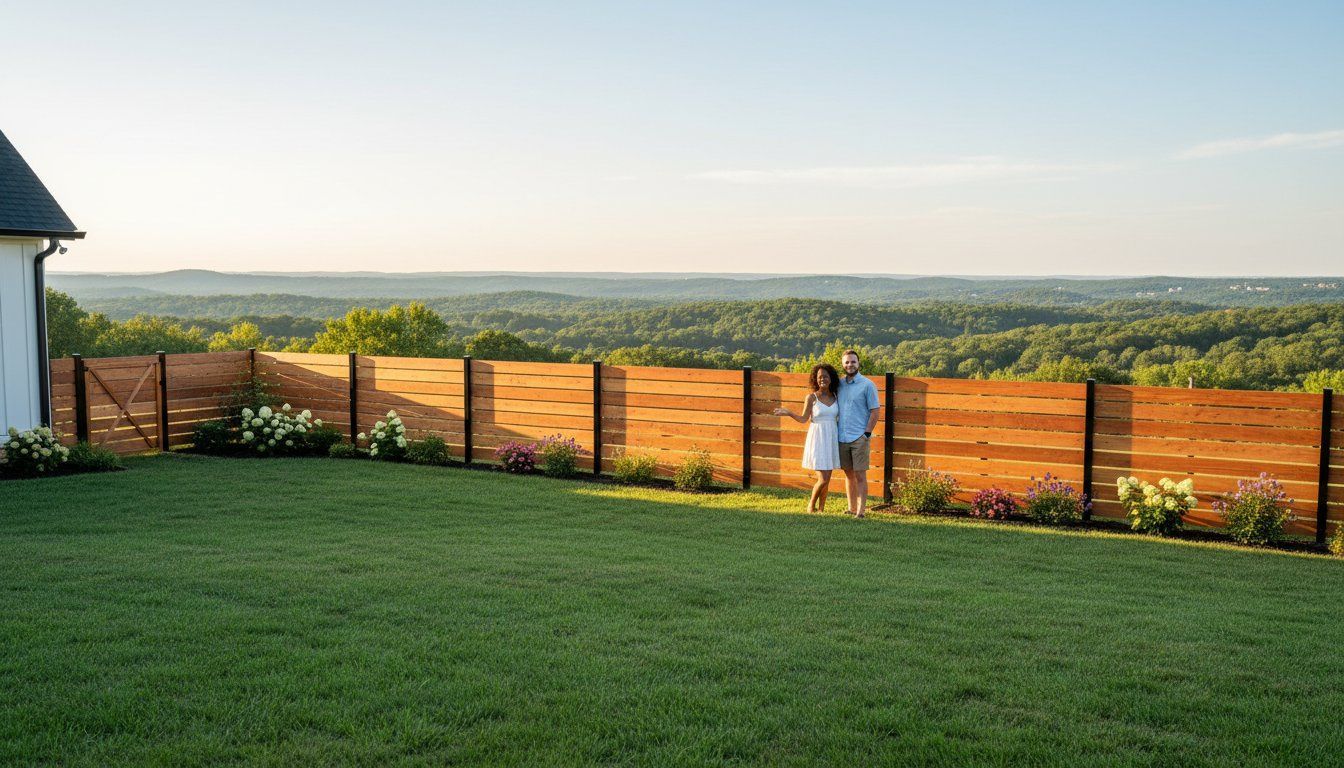
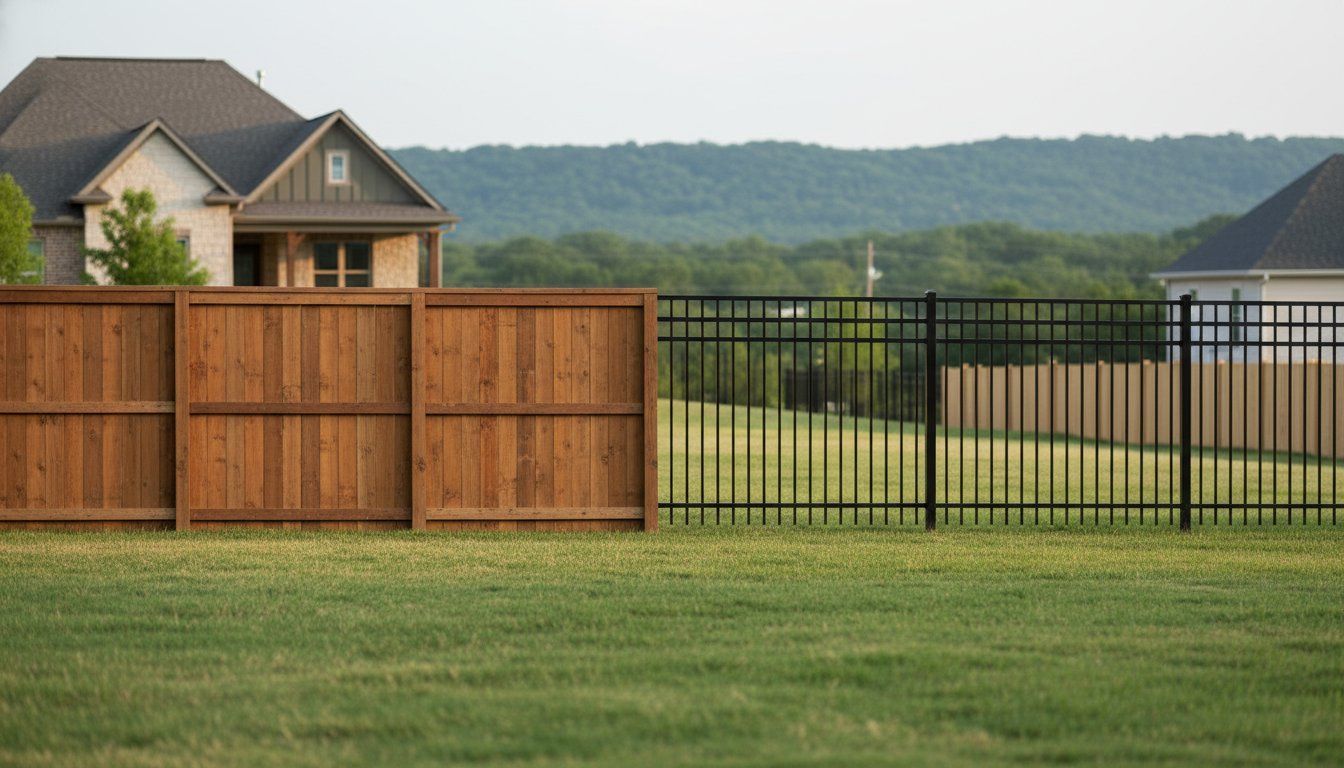
Is the traditional privacy fence actually a hidden drain on your weekend time and maintenance budget? Many homeowners in Northwest Arkansas choose cedar or pine for its classic look, but the region's high humidity and heavy spring rains can quickly lead to warping or decay. You want a boundary that secures your yard without becoming a second job. It's a common dilemma when deciding between an ornamental iron vs wood fence for your local property. Choosing the right material is a strategic decision that impacts your property value and long-term peace of mind. We'll help you discover the critical differences in durability and upkeep so you can make an informed investment. This guide explores how each option handles the Ozark climate, stays compliant with city codes in Rogers or Springdale, and meets strict HOA regulations. You'll gain the clarity needed to select a fence that offers lasting security and professional curb appeal for your home. Key Takeaways Understand the core trade-off between the classic privacy of wood and the modern, open elegance of ornamental iron. Evaluate how the Northwest Arkansas climate affects the lifespan of an ornamental iron vs wood fence to protect your long-term investment. Learn why the lower upfront cost of wood often includes a "maintenance tax" of staining and sealing that iron avoids. Navigate local city codes and HOA requirements to ensure your new fence remains compliant and effectively contains pets. Discover how a hybrid material strategy can balance your need for backyard privacy with high-end curb appeal. Ornamental Iron vs. Wood Fence: The Fundamental Differences Choosing between an ornamental iron vs wood fence requires understanding that these two materials serve very different functional and emotional purposes. Ornamental iron represents the modern, high-performance evolution of traditional wrought iron. While old-fashioned wrought iron was heavy and required frequent scraping and painting to prevent rust, today's ornamental iron is engineered for longevity. It features advanced factory-applied coatings that resist the elements while maintaining a sleek, sophisticated profile. This material offers a sense of permanence and architectural prestige that few other options can match. Wood fencing remains the residential gold standard for homeowners who prioritize natural warmth and total seclusion. Typically constructed from cedar or pressure-treated pine, wood provides a solid, opaque barrier that creates a physical and visual boundary for your home life. Because there are so many different fencing materials available today, the final choice often depends on how you want your property to interact with its surroundings. The contrast is simple: iron invites the eye in, while wood keeps the world out. Ornamental Iron: Provides an "open" feel. It secures the perimeter without obstructing views of your home's architecture or professional landscaping. Wood Fencing: Offers a "closed" environment. It blocks line-of-sight from neighbors and street traffic, turning a backyard into a private sanctuary. The Aesthetic Impact on Curb Appeal Ornamental iron acts as a high-end accent for your property. It enhances the visual appeal of stone work, manicured lawns, and intricate garden designs by framing them rather than hiding them. In many Northwest Arkansas neighborhoods, iron is associated with a sense of established luxury. Conversely, wood fencing offers a classic, rustic charm that fits perfectly in suburban developments. It provides a neutral, organic backdrop that complements the natural greenery of the Ozarks. Your choice of fence material acts as the frame for your property, immediately signaling either a commitment to traditional privacy or a preference for high-end architectural detail. Privacy Levels and Boundary Definition If your primary goal is backyard seclusion or noise reduction, wood is the superior choice. The solid panels dampen neighborhood sounds and prevent outsiders from seeing into your living space. This makes it ideal for families with children or pets who need a secure, private area to play without distractions. Ornamental iron is intentionally transparent. It defines boundaries clearly but doesn't isolate the property from the neighborhood. This visibility is often a significant safety benefit. For example, pool areas often require iron fencing because being able to see into the enclosure from the house is critical for supervision. It keeps the space secure while maintaining a sense of community connection. Performance in the Northwest Arkansas Climate Arkansas weather is unpredictable. High humidity in the summer and heavy rain in the spring create a challenging environment for any outdoor structure. When comparing an ornamental iron vs wood fence , you must consider how these local factors impact the material's lifespan. The Ozark region also features acidic soil. This acidity can accelerate the degradation of materials buried underground, making the choice of post material and installation method vital for long-term stability. Wood Decay and Moisture Management In Rogers and Lowell, wood fences face constant moisture exposure. Pressure-treated pine is a common choice for its affordability, but it's prone to warping and twisting as it cycles through saturation and drying. Western Red Cedar offers better natural resistance to rot, yet even high-quality cedar will eventually "gray" under the intense Arkansas sun without regular staining. Termites are another reality in the Southern United States. These pests thrive in our humid environment and can compromise the structural integrity of wood panels over time. When deciding on an ornamental iron vs wood fence , remember that wood requires proactive care to survive the Ozark elements. Professional installation is critical here to prevent ground-contact rot. You can find more details on how these variables influence the long-term fence construction costs in regional agricultural guides. Iron Resilience and Modern Coatings Ornamental iron is engineered to withstand the specific stressors of the NWA climate. Unlike the wrought iron of the past, modern ornamental steel utilizes advanced powder coating. This finish acts as a durable shield against the region's high humidity, preventing moisture from reaching the metal and causing rust. One of the biggest advantages during Arkansas spring storms is wind resistance. Solid wood panels act like sails, catching heavy gusts that can lean or snap posts during severe weather. Iron's open picket design allows wind to pass through freely. This reduces the physical strain on the structure and makes it an exceptionally durable choice for properties on hillsides or in open areas. If you're looking for a solution that stands up to the local elements, exploring professional installation options can help you secure your property for years to come. Calculating the Total Cost of Ownership (TCO) Financial decisions regarding your property shouldn't just focus on the first check you write. For many Northwest Arkansas homeowners, wood fencing is the most accessible entry point because of its lower initial material and labor costs. It's a practical choice for immediate budget management. However, a true comparison of an ornamental iron vs wood fence requires looking at the total cost over the next ten to fifteen years. High-quality ornamental iron is often viewed as a "set and forget" investment, while wood carries an ongoing "maintenance tax" that many owners overlook during the planning phase. Upfront Investment vs. Long-Term Savings The initial price difference usually stems from material manufacturing and the labor required for installation. Wood is relatively light and forgiving to work with, which can lead to faster project completion. Ornamental iron requires specialized handling and exact measurements to ensure the heavy panels align perfectly with the terrain. While you'll spend more on day one for iron, it's important to consider the lifecycle of the product. Over a ten-year period, the cumulative expense of professional staining and periodic board replacements often makes wood the more expensive choice for the property owner. Iron also tends to offer a higher return on investment; its durability and high-end aesthetic are significant selling points that can increase a home's resale value. Maintenance Realities for NWA Homeowners The climate in cities like Fayetteville and Bentonville dictates your maintenance schedule. Because of the local humidity, a wood fence typically requires re-staining or sealing every two to three years to prevent the fibers from graying or rotting. If you skip this step, the wood's lifespan drops significantly. Iron maintenance is far simpler. A quick rinse with a garden hose and mild soap once or twice a year is usually enough to maintain its factory luster for decades. You should also be aware of the hidden costs associated with each material: Wood: Frequent gate adjustments are necessary as the heavy wood panels sag or swell with the seasons. You'll also need to budget for replacing rusted or broken hardware over time. Iron: Modern coatings are extremely resilient, but you may occasionally need to touch up small scratches to prevent surface oxidation. The rigid structure means gates rarely require the same level of constant adjustment as wood. Choosing the right material means balancing your current liquid budget against your future time and maintenance funds. If you prefer a lower upfront cost and don't mind the recurring labor, wood is an excellent solution. If you value a permanent fixture that enhances property value without a recurring "maintenance tax," ornamental iron is the superior long-term choice. Functional Comparison: Security, Pets, and HOA Rules Your daily experience with your property depends on how your fence functions as a tool for containment and protection. While style is important, the practical choice between an ornamental iron vs wood fence often involves local regulations and specific household needs. In Northwest Arkansas, master-planned communities in cities like Bentonville and Rogers frequently have strict standards. For example, Bentonville requires a $30 permit for most new fences, and several local HOAs mandate specific materials to maintain a cohesive neighborhood look. Understanding these rules before you build prevents costly compliance issues later. Keeping Pets and Children Safe Containment strategies differ significantly between these two materials. Wood fences provide a solid visual barrier, which is often the best solution for reactive dogs. It blocks the sight of passing cars or neighbors, reducing "fence fighting" and excessive barking. However, wood can be susceptible to digging or chewing at the base. Ornamental iron offers a different set of advantages. For homeowners with small breeds, "puppy picket" options are available. these feature narrower spacing at the bottom of the panel to prevent escape. Visibility is also a key safety factor for families with pools. Arkansas codes often favor iron for pool enclosures because it allows adults to maintain a clear line of sight into the water from the house while keeping the area secure. Security and Access Control When it comes to perimeter protection, iron is the clear winner for structural strength. It's difficult to climb, nearly impossible to breach without heavy equipment, and won't rot or weaken over time. Wood offers privacy, but it can be more vulnerable to forced entry or environmental wear that creates gaps. To maximize security, many NWA homeowners integrate automated iron gate systems into their design. These systems provide a rigid entry point that wood gates simply can't match in terms of longevity. You can further enhance this protection by adding keypad entry or automated openers, allowing you to control who enters your property without leaving your vehicle. This level of access control adds a layer of professional security that complements the high-end aesthetic of an iron installation. HOA Compliance: Many NWA neighborhoods require "finished side out" designs, a rule that applies to wood but is naturally satisfied by iron's double-sided finish. Height Restrictions: Most municipalities, including Fayetteville and Rogers, limit front yard fences to 4 feet in height. Visibility: Iron is often preferred on corner lots in Springdale to maintain clear sightlines for traffic safety. Selecting the right material requires balancing your need for seclusion against your requirements for security and local code adherence. If you're ready to see how these options fit your specific lot, contact our team for a professional assessment of your property's needs. Choosing the Right Fence for Your Arkansas Property Selecting between an ornamental iron vs wood fence doesn't have to be an all-or-nothing decision. Many homeowners in Northwest Arkansas find success with a "Hybrid Solution." This strategy uses the prestigious, open look of ornamental iron for the front yard to enhance curb appeal and architectural detail. Meanwhile, wood fencing is installed along the side and rear perimeters to provide the total privacy required for backyard living. This approach allows you to balance your initial investment while meeting every functional goal for your property. Every lot in the Ozarks presents unique challenges, from the rocky soil of Bentonville to the steep slopes found in Fayetteville. A professional site evaluation is the only way to ensure your fence remains stable over time. This process identifies potential drainage issues and determines the correct post-depth needed to handle the region's seasonal freeze-thaw cycles. At Pinnacle Fence and Outdoors, LLC, we prioritize this level of precision. We back our installations with a one-year warranty on craftsmanship, providing the peace of mind that your boundary is built to last. When to Choose Wood Wood is the primary choice for backyards where seclusion is the most important factor. It's the ideal material for blocking the view of close neighbors or dampening the sound of nearby traffic. If you're working with a strict immediate budget, wood offers a lower entry cost for securing large perimeters. We recommend using high-quality Western Red Cedar for its natural ability to resist rot in our humid climate. To ensure your project is executed correctly, our team provides expert wood fence installation NWA services tailored to your specific terrain and privacy needs. When to Choose Ornamental Iron Ornamental iron is the superior choice for homeowners seeking a permanent, zero-maintenance fixture. It's the standard for pool enclosures due to its safety and visibility benefits. Iron also provides a high-end look that never goes out of style. For those interested in custom iron fencing in Fayetteville AR, this material offers unmatched durability against heavy winds and soil acidity. Before requesting an estimate, use this final checklist to prepare: Verify your property lines with a professional survey to avoid neighbor disputes. Review your specific HOA bylaws for restrictions on picket spacing or fence height. Identify any utility easements that may require specific gate placements. Decide if your primary objective is visual privacy, perimeter security, or curb appeal. By evaluating these factors, you can choose a material that fits your lifestyle and protects your property value for decades. Whether you prefer the natural warmth of wood or the lasting strength of iron, a professional installation ensures your home stays secure and looks its best. Secure Your Northwest Arkansas Property with Confidence Your property is a significant investment. Selecting the right boundary ensures it remains secure and aesthetically pleasing for years to come. Whether you prioritize the absolute privacy of wood or the maintenance-free elegance of iron, your decision should account for the unique Ozark climate. We've explored how soil acidity and humidity impact these materials differently over time. Making the right choice between an ornamental iron vs wood fence depends on balancing your immediate budget with your long-term maintenance goals. At Pinnacle Fence, we bring over 30 years of local experience to every project. We understand the specific challenges of Northwest Arkansas terrain and soil conditions. This expertise allows us to provide a one-year craftsmanship warranty on every installation. Our team is ready to help you navigate HOA rules and city codes to find the perfect fit for your home. Get your free fencing estimate from Pinnacle Fence today! We look forward to helping you enhance your property with a solution that lasts. Frequently Asked Questions Is iron or wood fencing better for the Northwest Arkansas climate? Ornamental iron is generally the superior choice for the Northwest Arkansas climate because it resists the region's high humidity and heavy spring rains. Wood is highly susceptible to moisture saturation, which can lead to warping, twisting, and fungal decay over time. Iron's open picket design also allows high Ozark winds to pass through freely, reducing the risk of structural failure during severe storms. Which fence type is more expensive to install in Bentonville or Rogers? Wood fencing is typically more affordable to install initially in Bentonville and Rogers compared to metal alternatives. The raw materials are less costly, and the installation process is generally faster and less labor-intensive. However, it's important to remember that wood requires recurring investments in stains and sealants that iron avoids. Over a decade, the total cost of ownership for wood often exceeds that of iron. Do iron fences rust easily in high-humidity areas like the Ozarks? Modern ornamental iron fences do not rust easily because they utilize advanced factory-applied powder coatings. These finishes are specifically engineered to provide a moisture-resistant barrier that protects the underlying steel from the Ozark humidity. Unlike traditional wrought iron that required constant maintenance, these modern systems remain rust-free for decades without the need for frequent painting or specialized chemical treatments. Can I use an ornamental iron fence if I have a small dog? You can effectively contain small pets with an ornamental iron fence by selecting a puppy picket or "short-space" design. These panels feature pickets that are spaced much closer together at the bottom of the fence to prevent small dogs from squeezing through. This option provides the same level of security as a solid wood barrier while maintaining the open, elegant aesthetic of an ornamental iron vs wood fence . How long does a typical wood fence last in Arkansas compared to iron? A well-maintained wood fence in Arkansas typically lasts between 10 and 15 years, while an ornamental iron fence can easily exceed 30 years. The intense UV exposure and high moisture levels in the Southern United States accelerate the natural breakdown of wood fibers. Iron's structural integrity is not compromised by these environmental factors, making it a much more durable long-term solution for local property owners. Are there specific HOA rules in NWA that favor one material over the other? Many homeowners associations in Northwest Arkansas mandate ornamental iron for front yards to maintain a high-end neighborhood appearance. Conversely, they often allow or require wood in backyards for privacy and noise reduction. Some communities in cities like Bentonville have strict "finished side out" rules for wood fences. You should always consult your specific HOA bylaws before finalizing your material choice to ensure full compliance. Does a wood or iron fence add more value to my home's resale price? Ornamental iron generally adds more to a home's resale value because it is perceived as a premium, low-maintenance upgrade. Prospective buyers often appreciate the longevity and curb appeal of metal fencing, which doesn't require the immediate upkeep of a weathered wood structure. While a ornamental iron vs wood fence both provide value, the permanence of iron often yields a better return on investment during a home sale. Can I combine wood and iron for a custom look? Combining wood and iron is a popular "hybrid" strategy that offers the best of both materials for your property. You can install ornamental iron along the front of your lot to highlight your home's architecture and use wood along the sides and back for maximum privacy. This custom approach allows you to manage your budget effectively while still achieving the specific security and aesthetic goals you have for your yard.

By Erin Poe June 4, 2026
Most homeowners view a gate as a simple weekend upgrade, but a professional entry system is actually a complex ecosystem of hardware, electronics, and local engineering. You've likely seen a massive range of figures while researching the automatic driveway gate cost online, only to find those national averages rarely account for the specific terrain or the seasonal shifts we experience here in Northwest Arkansas. It's frustrating to plan a project when the hidden requirements like electrical trenching and local permitting remain unclear. This guide provides the clarity you need by detailing exactly what influences the price of automated systems in our region, from the durability of ornamental iron to the essential infrastructure that keeps your property secure. You'll learn how to balance aesthetic goals with functional needs like fire department access codes in Fayetteville or driveway width limits in Bentonville. We'll break down the specific components required for a reliable installation and show you how to build a system that increases your property value without the headache of constant repairs. Key Takeaways Identify the three core pillars-the gate material, the mechanical operator, and the professional installation-that determine your overall investment. Understand how Northwest Arkansas terrain, specifically limestone and electrical trenching requirements, impacts the total automatic driveway gate cost. Learn how to navigate specific local regulations in Bentonville and Fayetteville to ensure your gate meets fire safety and right-of-way standards. Discover how modern access control technology, like smartphone-integrated intercoms, provides both convenience and a higher return on property value. Compare the durability of professional-grade ornamental iron and wood systems against retail kits to ensure long-term performance in Arkansas humidity. Table of Contents What Makes Up the Total Automatic Driveway Gate Cost? Cost Comparison by Gate Type and Material The "Hidden" Costs: Infrastructure and Site Prep in NWA Access Control and Security Tech Upgrades Maximizing ROI: Maintenance and Professional Installation What Makes Up the Total Automatic Driveway Gate Cost? Understanding the automatic driveway gate cost requires looking past the initial sticker price. A functional system is a synergy of three distinct pillars: the gate slab, the mechanical operator, and the professional installation labor. While retail kits might seem attractive at first, they often fail to account for the heavy duty requirements of Northwest Arkansas weather. Our high humidity levels and temperature swings can quickly degrade inferior components, leading to higher maintenance costs over time. A professional-grade system is built to handle these environmental stressors while providing reliable security for decades. The Gate Slab: Materials and Aesthetics The slab is the physical barrier of your entry system. Material choice directly influences both the aesthetic appeal and the mechanical requirements of the project. Ornamental iron remains a popular choice for its durability and classic look, though it adds significant weight to the system. Wood fencing offers a traditional look and high privacy, but it requires robust framing to prevent sagging or warping in the Arkansas rain. Most residential gates in our area range from 12 to 20 feet in width. A wider gate requires more structural reinforcement and a more powerful motor to handle the increased leverage and wind load. Custom fabrication allows for a precise fit to your driveway's unique grade, whereas pre-manufactured panels often require expensive site modifications to function correctly. The Operator: The Heart of the System The operator is the engine that drives the gate. Electric gate technology has evolved to offer several mechanical solutions based on your gate's design. Linear actuators are common for swing gates, while pad-mounted operators are the standard for sliding systems. Motor horsepower is a critical factor. An undersized motor will burn out prematurely if it's forced to move a heavy ornamental iron slab daily. You should also consider your power source. Standard AC power is reliable, but DC operators with battery backups ensure your property remains accessible during the occasional NWA power outage. The frequency of use also dictates the motor grade. A gate that opens twice a day for a private home requires different hardware than a gate serving a busy commercial complex. Professional installation ensures that every component works in harmony. A gate that is even slightly out of level puts immense strain on the motor, shortening its lifespan. When calculating the automatic driveway gate cost, consider the Total Cost of Ownership (TCO). A professional-grade system involves several specific advantages: Precision-leveled posts that resist shifting in Arkansas clay. Industrial-grade hinges and rollers designed for thousands of cycles. Weather-sealed electronics that withstand regional humidity and ice. Structural integrity that prevents the gate from dragging or sticking. Investing in quality hardware and skilled labor upfront prevents the cycle of frequent repairs and premature system failure. A well-installed system doesn't just provide security; it offers the peace of mind that comes from a gate that works every time you arrive home. Cost Comparison by Gate Type and Material The physical gate structure represents a major portion of the automatic driveway gate cost. Choosing between swing and sliding designs often depends on your driveway's slope and the available clearance. Ornamental iron is the gold standard for Northwest Arkansas properties. It offers a balance of security and longevity that other materials struggle to match. While wood and vinyl provide excellent privacy, they create a "sail effect" during high winds. This physical resistance requires more robust automation hardware to prevent motor strain during a typical Arkansas storm. Standard pre-manufactured panels are cost-effective, but custom designs allow for specific architectural flourishes that increase property value. Swing Gate Systems: Single vs. Dual Single swing gates up to 12 feet are the most straightforward to automate. They require only one motor and standard heavy-duty hinges. If you prefer the symmetric look of a dual "estate" gate spanning 20 feet, the mechanical cost effectively doubles. Each side needs its own motor and a synchronized control board to manage the movement. These larger systems also require reinforced pillars or heavy-gauge steel posts. This ensures the gate leaves remain level and do not sag over time, which would otherwise cause the automation to bind and fail. Sliding Gate Systems: When to Spend More Sliding gates are the ideal solution for sloped driveways where a swing gate would hit the rising ground. A standard V-track system requires a level concrete foundation for the track to rest on. This adds to the initial site preparation expenses. For gravel driveways or areas prone to snowy NWA winters, cantilever systems are the premium choice. These gates "hover" over the driveway without the need for a ground track. They don't get stuck on debris, ice, or gravel. While the hardware for a cantilever gate is more expensive, it offers superior reliability in varied weather conditions. You must also account for the "tail" of the gate, which requires extra side room along your fence line. Material choice also dictates the long-term automatic driveway gate cost regarding maintenance. Ornamental iron is often powder-coated to resist the humidity that can cause rust. Wood gates require periodic staining to prevent the weight of the gate from changing as it absorbs moisture. If you are unsure which style suits your land, consulting with a local gate specialist can help you avoid costly design mistakes. Balancing the initial investment with the expected lifespan of the material ensures you get the best return on your property improvement. The "Hidden" Costs: Infrastructure and Site Prep in NWA The visible components of your entry system are only half of the equation. Infrastructure and site preparation often represent the most variable portion of the automatic driveway gate cost. In Northwest Arkansas, our unique geography plays a significant role in these expenses. Unlike regions with sandy or loamy soil, the Ozark foothills are characterized by dense clay and subsurface limestone. These conditions require specialized equipment and more labor hours than a standard installation. Skipping proper groundwork leads to shifting posts and misaligned sensors, which eventually forces expensive repairs. Local regulations also impact your budget. Cities like Bentonville require a Right-of-Way permit for any work performed within the public right-of-way. In Fayetteville, specific fire department access codes dictate gate width and emergency entry requirements. Failing to account for these legal standards can lead to fines or the need to reinstall components. It's vital to check your specific HOA bylaws in Rogers or Springdale as well, as they often have strict rules regarding material finishes and setback distances from the road. Electrical and Power Supply Requirements Your gate needs a reliable heart to pump power to the motors and accessories. Most professional systems require a dedicated 110V circuit run from your home's electrical panel to the gate location. This ensures the system doesn't trip under the load of the motor or interference from other appliances. Low-voltage systems are an alternative for shorter runs, but they often lack the torque needed for heavy ornamental iron gates. A dedicated circuit is the best way to guarantee long-term reliability. It also provides a cleaner path for surge protection, which is essential during Arkansas spring thunderstorms. Trenching and Groundwork Trenching is where many homeowners encounter unexpected costs. The rocky terrain in Northwest Arkansas can double the labor time compared to softer soils. If your installer hits a shelf of limestone, they may need to use a rock saw or jackhammer rather than a standard trencher. You should also consider the path of the wire. If the electrical line must cross an existing asphalt or paver driveway, the cost of cutting and repairing that surface must be included in your estimate. Foundation depth is equally critical. Our regional freeze-thaw cycles cause the ground to expand and contract. To prevent "frost heave" from tilting your gate posts, concrete footings must be poured deep enough to reach below the frost line. This stability ensures your gate remains perfectly aligned year-round. While deep footings and rock trenching increase the initial automatic driveway gate cost, they protect your investment from the structural failures that plague DIY or cut-rate installations. Access Control and Security Tech Upgrades The technology you choose serves as the brain of your entry system. While the gate slab and motor provide the physical security, the access control system determines how you and your guests interact with your property. This layer of the automatic driveway gate cost depends on whether you prefer a simple numeric keypad or a fully integrated smart home solution. High-quality tech upgrades don't just add convenience. They provide the peace of mind that comes from knowing exactly who is entering your property at any given time. Vehicle detection loops are a critical technical investment for any automated system. These sensors are buried beneath the driveway surface to detect the presence of a car. Exit loops allow the gate to open automatically as you leave, while safety loops prevent the gate from closing on a vehicle that is still in the path of travel. Solar power is another common consideration for Northwest Arkansas homeowners. While solar can save on trenching costs for remote entrances, our region's frequent cloud cover and heavy ornamental iron gates often require larger battery banks to ensure the system remains operational during the winter months. Smart Integration and Remote Access Modern entry systems now offer seamless connection to Wi-Fi or cellular networks. This allows you to manage your gate from a smartphone app regardless of your location. You can grant temporary access codes to service workers or delivery drivers and receive real-time notifications when the gate is activated. For many Bentonville residents, integrating the gate with an existing home security system is a priority. This allows your cameras and alarms to work in tandem with your entrance, creating a unified security perimeter. Cloud-based management is particularly beneficial for commercial properties, where tracking multiple users and access logs is essential for operational security. Safety Features and Compliance Safety is not an optional add-on; it's a requirement for any automated system. Professional installations must adhere to UL 325 safety standards to protect pedestrians and vehicles. This involves the installation of photo-eyes and edge sensors that stop or reverse the gate if an obstruction is detected. Emergency access is another vital component. In cities like Fayetteville, gates must include a means for emergency personnel to enter, such as siren-operated sensors that trigger the gate upon hearing a specific frequency. These features ensure your system is both compliant with local codes and safe for daily use. If you're ready to modernize your property entrance, explore our professional gate automation and access control solutions today. Investing in advanced access control ensures that your gate remains a functional asset rather than a daily hurdle. Whether you need a multi-user keypad for a busy estate or a high-definition intercom system that lets you see visitors from your phone, the right technology provides lasting value. By selecting components designed for the specific demands of the Arkansas climate, you ensure your entry system remains reliable and secure for years to come. Maximizing ROI: Maintenance and Professional Installation An automated entry system is a 20-year investment in your property's security and curb appeal. To protect that investment, you must look beyond the initial automatic driveway gate cost and focus on long-term reliability. A high-quality system can provide a return on investment of roughly 50 percent, potentially increasing your home's total value by up to 5 percent. However, these gains only realize if the system remains functional and aesthetically sound. A gate that is frequently "stuck open" due to poor installation or neglected maintenance becomes a liability rather than an asset. The Value of Professional NWA Installation Choosing a local specialist is the most effective way to ensure your system survives the specific challenges of the Arkansas climate. General handymen often treat gate motors as simple plug-and-play appliances, but they rarely account for the precise geometry required for long-term operation. Pinnacle Fence and Outdoors, LLC brings 30 years of local experience to every project, ensuring that your foundation and hardware are designed for the Ozark terrain. Our professional installations include a one-year craftsmanship warranty, providing peace of mind that your system will perform as expected. While "cheap" operators found on the internet might save money upfront, they often lack the internal component quality needed to handle heavy use. You can explore our specialized services for Gate Automation Northwest Arkansasto see how professional engineering makes a difference. Long-Term Maintenance Costs Northwest Arkansas experiences significant temperature swings and high humidity, both of which affect mechanical and electronic components. Seasonal maintenance is essential for keeping your system in peak condition. An annual service checkup should include greasing all hinges and rollers, testing the safety "eyes" for alignment, and checking the tension on slide gate chains. Battery backup systems also require attention, as most lead-acid batteries have a life cycle of three to five years before they need replacement. Proactive annual maintenance prevents motor failures that can cost over $1,000 to resolve. By staying ahead of minor wear and tear, you ensure the automatic driveway gate cost remains a predictable part of your home's upkeep rather than a source of emergency expenses. A well-maintained gate offers more than just security; it provides a seamless daily experience. Whether you are coming home during a summer thunderstorm or leaving for work on a frosty winter morning, you need a system that responds instantly. Investing in professional installation and routine care ensures your property remains protected, accessible, and valuable for decades to come. Secure Your Property with Professional Automation Choosing the right entry system requires balancing material durability with professional-grade automation. You now understand how regional factors like rocky soil and local humidity impact the total automatic driveway gate cost. By prioritizing high-quality operators and proper infrastructure, you avoid the common pitfalls of retail kits that fail under Arkansas weather conditions. A well-executed installation provides lasting peace of mind and tangible property value without the frustration of recurring mechanical failures. Pinnacle Fence and Outdoors, LLC brings 30+ years of industry experience to every project in Northwest Arkansas. We are specialized gate automation experts who understand the unique permitting and terrain requirements of our local communities. To ensure your investment remains secure and functional, we provide a one-year craftsmanship warranty on our work. Our team focuses on delivering a reliable system that meets your specific security and aesthetic goals while standing up to the regional climate. Ready to enhance your home's security and curb appeal? Get a Free Estimate for Your NWA Gate Project. We look forward to helping you build a professional entrance that serves your family for years to come. Frequently Asked Questions How much does an automatic driveway gate cost to install in NWA? While national averages for installation often range between $2,380 and $8,000, local costs depend heavily on site preparation and material selection. Factors such as trenching through Ozark limestone and specific structural requirements for wind resistance influence the final automatic driveway gate cost. Every property in Northwest Arkansas presents unique geographical challenges that require a customized assessment to ensure long term reliability and performance. Is solar power enough to run a driveway gate in Arkansas? Solar power is a viable option for residential gates with moderate daily use, but it requires a properly sized battery bank to function year round. Northwest Arkansas experiences frequent cloud cover and shorter winter days, which can limit the charging capacity for heavy ornamental iron gates. For high traffic entrances or heavier materials, a dedicated 110V electrical line remains the most reliable power source for consistent operation. Do I need a permit for an automatic gate in Bentonville or Rogers? Yes, most municipalities in the region require specific permits for gate installations. In Bentonville, a Right of Way permit is mandatory for any work performed within the public right of way, and residential driveways cannot exceed 24 feet in width. Rogers and Fayetteville also have specific setbacks and fire department access codes that must be followed to ensure emergency vehicles can enter your property without delay. What is the best material for a low-maintenance driveway gate? Powder coated ornamental iron is the premier choice for a low maintenance entry system in our humid climate. Unlike wood, which requires regular staining to prevent rot and warping, iron resists moisture and maintains its structural integrity for decades. Vinyl is another durable option, though it must be installed with a reinforced steel frame to handle the significant wind loads common in the Ozark foothills. How long does a professional gate automation installation take? A standard professional installation typically takes three to five business days to complete from start to finish. This timeline includes setting the posts in concrete, allowing for proper curing time, and installing the mechanical operators and access control technology. More complex projects involving extensive limestone trenching or custom masonry pillars may extend the schedule to ensure a precise and stable finish for the entire system. Can I automate an existing manual driveway gate? You can often automate an existing gate if the current structure is level and the hinges are in good condition. The gate must swing or slide freely without dragging, as any physical resistance will cause a new motor to burn out prematurely. A professional assessment can determine if your current hardware can handle the added stress of an automated operator or if structural reinforcements are necessary before the automatic driveway gate cost is finalized. What happens to my automatic gate if the power goes out? Most modern systems include a battery backup or a manual release key for use during power outages. DC powered operators often provide several cycles of operation using stored battery power, which is essential during Arkansas spring storms. If the batteries are depleted, you can use a physical override to disengage the motor and move the gate by hand until the electrical service is restored to your property. Is a sliding gate more expensive than a swing gate?  Sliding gates generally involve a higher initial investment due to the additional infrastructure required for the track and rollers. They need a level concrete foundation for the V track or specialized cantilever hardware if the terrain is uneven or gravel based. While swing gates are often more economical for flat driveways, sliding gates provide a space saving solution for properties with steep inclines or limited depth along the entrance.
By Erin Poe May 28, 2026
Your property line is more than a simple boundary; it's the primary safeguard for your home's security and long-term value. Searching for the best fence company near me often starts with a simple desire for privacy, but it quickly leads to complex questions about permits and rocky Northwest Arkansas soil. You likely want a result that balances aesthetics with durability without the stress of poor craftsmanship or zoning issues. It's common to feel anxious about potential property line disputes or the risk of a fence that fails after just one season. You deserve a contractor who treats your project with professional care and follows through on every detail. This guide will show you how to evaluate local specialists who prioritize clear communication and lasting quality. We'll explore why regional expertise is the key to a secure boundary and how to ensure your investment is protected by a solid warranty. Whether you're interested in wood, vinyl, or ornamental iron, you'll learn how to choose a partner who delivers peace of mind. Key Takeaways Discover why understanding Northwest Arkansas weather and rocky Ozark soil is essential for a fence that stands the test of time. Identify the best fence company near me by looking for specific credentials like verified licensing and documented craftsmanship warranties. Evaluate different material options, including wood, vinyl, and ornamental iron, to determine which best suits your security needs and the local climate. Learn the importance of a professional site visit for an accurate estimate and how to interpret a detailed breakdown of labor and material costs. Gain peace of mind by choosing a specialist with deep regional roots who understands the specific regulatory and terrain challenges of our community. Table of Contents Why "Local" Matters When Searching for the Best Fence Company 5 Non-Negotiable Criteria for a Top-Rated Fence Contractor Comparing Material Expertise: From Wood to Automated Gates The Professional Estimate: What to Look for Before You Sign Why Pinnacle Fence and Outdoors is the Top Choice in NWA Why "Local" Matters When Searching for the Best Fence Company Choosing the best fence company near me involves more than comparing basic quotes. It requires a partner who understands the specific environmental challenges of Northwest Arkansas. Our region experiences high humidity and sudden, intense storm systems. These factors dictate which materials will thrive and which will fail prematurely. A local specialist selects hardware and finishes designed to withstand our climate, ensuring your boundary remains secure for years. Proximity also ensures accountability. If a gate needs adjustment or a post shifts after a heavy rain, a local contractor can respond quickly. National aggregators often lack this immediate presence, leaving homeowners waiting weeks for simple repairs. Navigating NWA Soil and Terrain Digging in Fayetteville or Springdale is rarely a straightforward task. The rocky Ozark soil often contains limestone and chert that can break standard residential augers. Professional installers use heavy-duty, specialized equipment to ensure every post reaches the proper depth for stability. Without the right machinery, posts are often set too shallow, leading to leaning or collapsed sections after the first frost cycle. Our region is also known for its rolling hills and uneven grades. A sturdy installation requires more than just placing panels. It involves custom stepping or racking techniques to maintain a clean aesthetic while following the natural slope of your yard. When homeowners research different types of fences, they must consider how each material adapts to these physical landscape challenges. Without this expertise, fences often end up with unsightly gaps or structural weaknesses. Local Regulations and Permit Requirements Each city in Northwest Arkansas has its own set of rules. Bentonville and Rogers have specific height restrictions for residential zones that might differ from requirements in Lowell. A local expert knows these codes by heart. They handle the permit application process to ensure your project stays compliant with municipal laws. This knowledge prevents the costly mistake of having to tear down or modify a new installation because it violates a local ordinance. Professional site surveys are another critical part of a high-quality local installation. This step is essential for avoiding property line disputes with neighbors. By verifying boundaries before the first post is set, a local contractor provides a layer of legal and social protection that generic service providers often overlook. This organized approach simplifies the process for the property owner and guarantees that the final result meets all regional standards. 5 Non-Negotiable Criteria for a Top-Rated Fence Contractor Finding the best fence company near me requires a strategy that looks beyond the lowest price. A fence is a major investment in your home's security and value. You should prioritize contractors who demonstrate long-term stability and professional accountability. Look for these five non-negotiable standards before signing any contract. First, verify the company's local industry experience. A contractor with over 30 years of combined experience understands the nuances of regional soil and weather better than a newcomer. This level of expertise ensures the installation withstands environmental stress. Second, examine their portfolio. A top-rated provider should showcase a diverse range of residential and commercial projects. This proves they can handle everything from standard backyard privacy to complex security perimeters. Third, demand transparent, written estimates. A professional quote should break down all costs without hidden fees. Understanding how to spot a home improvement scam can help you identify red flags during the bidding process. Insurance and Liability: Protecting Your Property Never hire an uninsured "handyman" for a fencing project. If an accident occurs on your property, you could be held liable for medical costs or damages. A reputable contractor carries both general liability and workers' compensation insurance. General liability protects your home from damage during construction. Workers' compensation covers the crew in case of injury. You can verify a contractor’s credentials through the Arkansas Contractors Licensing Board. This step confirms they are legally authorized to perform work in the state and protects your financial interests. The Value of a Craftsmanship Warranty There is a significant difference between a manufacturer's warranty and a craftsmanship warranty. A manufacturer covers defects in materials, like vinyl fading or metal corrosion. A craftsmanship warranty covers the labor and installation. If a gate sags or a post wobbles within the first year, the installer should return to fix it at no cost. A company that stands by its work demonstrates a commitment to quality that goes beyond the final payment. This type of security is what separates a temporary fix from a lasting property boundary. Reviewing a company's past projects is a great way to gauge their reliability. You can see examples of professional execution by visiting pinnaclefencenwa.com to view our local work. d Comparing Material Expertise: From Wood to Automated Gates Selecting the right material is a critical decision that determines the lifespan of your property boundary. The best fence company near me will provide a detailed analysis of how different materials perform under the specific conditions of Northwest Arkansas. Our environment requires products that can withstand high moisture levels and temperature fluctuations. Whether you prioritize the natural beauty of wood or the sleek durability of vinyl, your choice should align with both your aesthetic goals and your maintenance capacity. Durability in the Ozarks: Choosing the Right Material Wood fencing remains a popular choice for its classic look and privacy. In our region, western red cedar is the gold standard. It contains natural oils that resist rot, decay, and insect infestation, making it far superior to pressure-treated pine in the Arkansas humidity. While pine is often more budget-friendly initially, it is prone to warping and shrinking as it dries. For those seeking a maintenance-free alternative, vinyl fencing provides excellent longevity. It does not require staining or painting and holds its color against the intense summer sun. For larger residential or commercial perimeters, vinyl-coated chain-link is a practical solution. The coating prevents rust and offers a more polished appearance than traditional galvanized metal. If you choose ornamental iron fencing, look for powder-coated finishes. These provide a robust barrier against moisture, which is essential for preventing rust in our high-moisture climate. This material balances high-end security with exceptional curb appeal, making it a favorite for estate-style properties. Gate Automation and Modern Access Control Modern property security often requires more than a static fence. Integrating gate automation and access control systems adds a layer of convenience and safety that standard installations lack. The best companies offer comprehensive packages that include solar-powered openers, which are particularly effective for long driveways where running electrical lines is difficult. Keypad entry and remote access allow you to manage who enters your property without leaving your vehicle. These systems require professional calibration to function correctly. A specialist ensures that the motor, sensors, and hinges work in perfect synchronization. This precision prevents premature wear on the gate hardware and ensures the safety of everyone using the entrance. By combining high-quality materials with advanced technology, you create a property boundary that is both functional and secure. Selecting a contractor who understands these technical requirements is just as important as the materials themselves. The Professional Estimate: What to Look for Before You Sign A professional estimate is a binding agreement that protects both the homeowner and the contractor. When searching for the best fence company near me, you'll likely encounter various bidding styles. Some contractors offer a "ballpark" figure over the phone. These quotes often change once work begins. A reliable specialist insists on a site visit. This allows them to measure the exact linear footage and identify obstacles like tree roots or steep Ozark inclines. A thorough estimate should include a detailed breakdown of costs. This includes specific material grades, labor rates, and estimated timelines for both the start date and completion. Red Flags During the Bidding Process Be cautious of any contractor who demands 100% of the payment before the first post is set. While a deposit for materials is standard, full payment up front is a significant risk. You should also watch for vague language in the proposal. If a bid simply lists "wood fencing" without specifying the species or post depth, you lack a guarantee of quality. A professional contract must include clear warranty terms and a physical business address. Avoid individuals who operate only via text and refuse to provide a written agreement. These gaps in documentation often lead to disputes over craftsmanship later on. Green Flags: Signs of a Reliable Specialist A reputable contractor prioritizes safety and precision from the very beginning. One of the clearest green flags is a commitment to utility marking. In our region, this involves contacting Arkansas 811 to locate underground lines before digging begins. This step prevents dangerous and costly accidents. You should also look for prompt, professional communication. A specialist who follows up quickly and provides references from recent projects in Lowell, Bentonville, or Rogers demonstrates a high level of organization. These references allow you to verify the company's work ethic and the durability of their installations in our local climate. If you're ready to see the difference a professional evaluation makes, you can request a detailed estimate for your next project. This structured approach ensures your property boundary is installed the first time correctly. Why Pinnacle Fence and Outdoors is the Top Choice in NWA The search for the best fence company near me often concludes when homeowners find a partner who values local expertise as much as structural integrity. Pinnacle Fence and Outdoors brings over 30 years of combined experience to every installation. We serve the Northwest Arkansas and Southwest Missouri regions with a commitment to professional standards and lasting value. Our team understands that a fence is a significant investment in your property's security and curb appeal. We offer a comprehensive suite of services, including residential wood and vinyl, commercial chain-link, and temporary fencing for construction or events. By focusing on high-quality materials and precise execution, we ensure your boundary remains a durable asset for years to come. Our expertise extends beyond simple perimeters to include advanced gate automation and access control systems. These high-security solutions require a level of technical calibration that generic contractors often cannot provide. We take pride in our ability to integrate modern technology with traditional craftsmanship. Every project we undertake is backed by a one-year craftsmanship warranty, providing you with peace of mind that we stand behind our work long after the installation is complete. Our Local Commitment We are based in Lowell and have been deeply rooted in the NWA corridor since our inception. This local presence is vital because we understand the specific challenges of the Ozark terrain. Our crews are equipped to handle the rocky soil and uneven grades common in Fayetteville, Rogers, and Bentonville. We've built a proven track record by delivering consistent results for both small residential yards and large-scale commercial perimeters. This regional knowledge allows us to navigate local building requirements and environmental factors with efficiency and accuracy. Ready to Secure Your Property? Securing your home or business starts with a professional evaluation of your site. During an initial consultation, our artisans will discuss your goals and help you select the best materials for your specific landscape. We provide a clear path forward with detailed estimates and transparent timelines. Our goal is to simplify the process for you while ensuring every post and gate meets our rigorous standards for quality. If you are ready to enhance your property's security, you can Get Your Free Fence Estimate from Pinnacle Fence today. We look forward to being the reliable specialist you need for your next fencing project. Secure Your Property with Local Experts Building a durable property boundary requires a balance of high-quality materials and regional expertise. You've learned that navigating the rocky Ozark soil and understanding specific municipal codes in Bentonville or Rogers are essential steps for a successful installation. Selecting the best fence company near me means finding a partner who prioritizes transparent communication and professional accountability from the initial site visit to the final post setting. At Pinnacle Fence and Outdoors, we bring over 30 years of industry experience to every project. We are locally owned and operated in Lowell, Arkansas; we take pride in serving our neighbors across the NWA corridor. Our team stands behind every installation with a one-year craftsmanship warranty, ensuring your investment remains secure and attractive for years to come. Whether you need residential privacy or complex gate automation, we are ready to guide you through the process. Take the first step toward a more secure and beautiful property by contacting our team. Request Your Free Fence Estimate Today and experience the difference that local dedication makes. We look forward to helping you define your boundaries with confidence. Frequently Asked Questions How do I choose the best fence company near me? You should prioritize contractors with verified licensing and at least 30 years of combined local experience. Look for a specialist who provides a physical address in Northwest Arkansas and a documented craftsmanship warranty. A reliable company will offer a detailed portfolio of both residential and commercial projects to prove their versatility and skill in handling the unique Ozark terrain. Do I need a permit to install a fence in Lowell or Rogers, AR? Most residential projects in Rogers and Lowell require a permit if the fence exceeds six feet in height. Local codes also regulate the height of front yard fences and specific setbacks from the property line. A professional contractor handles the application process for you, ensuring the installation meets all municipal requirements and avoids potential disputes with neighbors or city officials. How much does a professional fence installation cost in NWA? Total project costs are determined by the linear footage, material choice, and the specific terrain of your property. The rocky soil and uneven grades common in Northwest Arkansas require specialized equipment for proper post setting, which impacts labor requirements. You should request an on-site evaluation to receive an accurate breakdown of material and labor costs tailored to your yard's specific challenges. How long does it take for a fence company to complete an installation? A typical residential project usually takes between two to five days to complete once the crew begins work on site. This timeline depends on the total length of the perimeter and the type of material being installed. Factors such as the time needed for concrete footings to cure and the local weather conditions in Northwest Arkansas can also influence the final completion date. What is the best type of fence for privacy and security in Arkansas? Cedar wood and vinyl are excellent for privacy because they offer solid panel designs that block the line of sight. If your primary goal is security, ornamental iron provides a sturdy barrier that is difficult to breach. Choosing the best fence company near me ensures you get expert advice on which materials best withstand the high humidity and seasonal storms typical of our region. Should I choose a chain-link or wood fence for my dog? Wood fencing is ideal for dogs that are easily agitated by outside movement since it provides a solid visual block. Vinyl-coated chain-link is a durable and cost-effective alternative for owners who prioritize a secure perimeter without losing their view. Both options are effective if the posts are set at professional depths to prevent leaning or gaps that a pet could exploit. Does Pinnacle Fence offer warranties on their work? Yes, we stand behind our installations with a one-year craftsmanship warranty that covers the labor and execution of the project. This protection ensures that any issues with gate alignment or post stability are addressed promptly. This labor warranty is separate from the manufacturer’s warranty, which covers the long-term durability of the materials themselves, such as vinyl or ornamental iron. Can a fence company help with automated driveway gates? Specialist contractors provide full gate automation and access control services to enhance your property's security. This includes installing solar-powered openers, keypad entry systems, and professional calibration of the gate hinges and motor. These systems require technical expertise to ensure the safety sensors and remote access features function reliably under daily use in our local climate.

What Our Customers are Saying:

We had an excellent experience with Ricky and his team! They got our fence up quickly at a great price and I would recommend anyone else give them a shot if you need good fence work done!


Jon Jackson

Pinnacle was fantastic. They were able to replace both of my busted entrances, and put in a whole section of fence, in 2 days and its looks fantastic. They were also reasonably priced and I feel I got great value for my dollar.

Will Hamel

Mr Redman was incredible. Showed up the day before scheduled and predrilled the holes. On budget and happy to come back by to adjust the gate after install was complete.

Blair Brady

He’s my 1st person to call when a repair is needed! Thank you Jack for all your hard work.

Brad Boreing

Great company with exceptional service.

Kristy Pullin

Great service and very professional.

Derek Kilpatrick